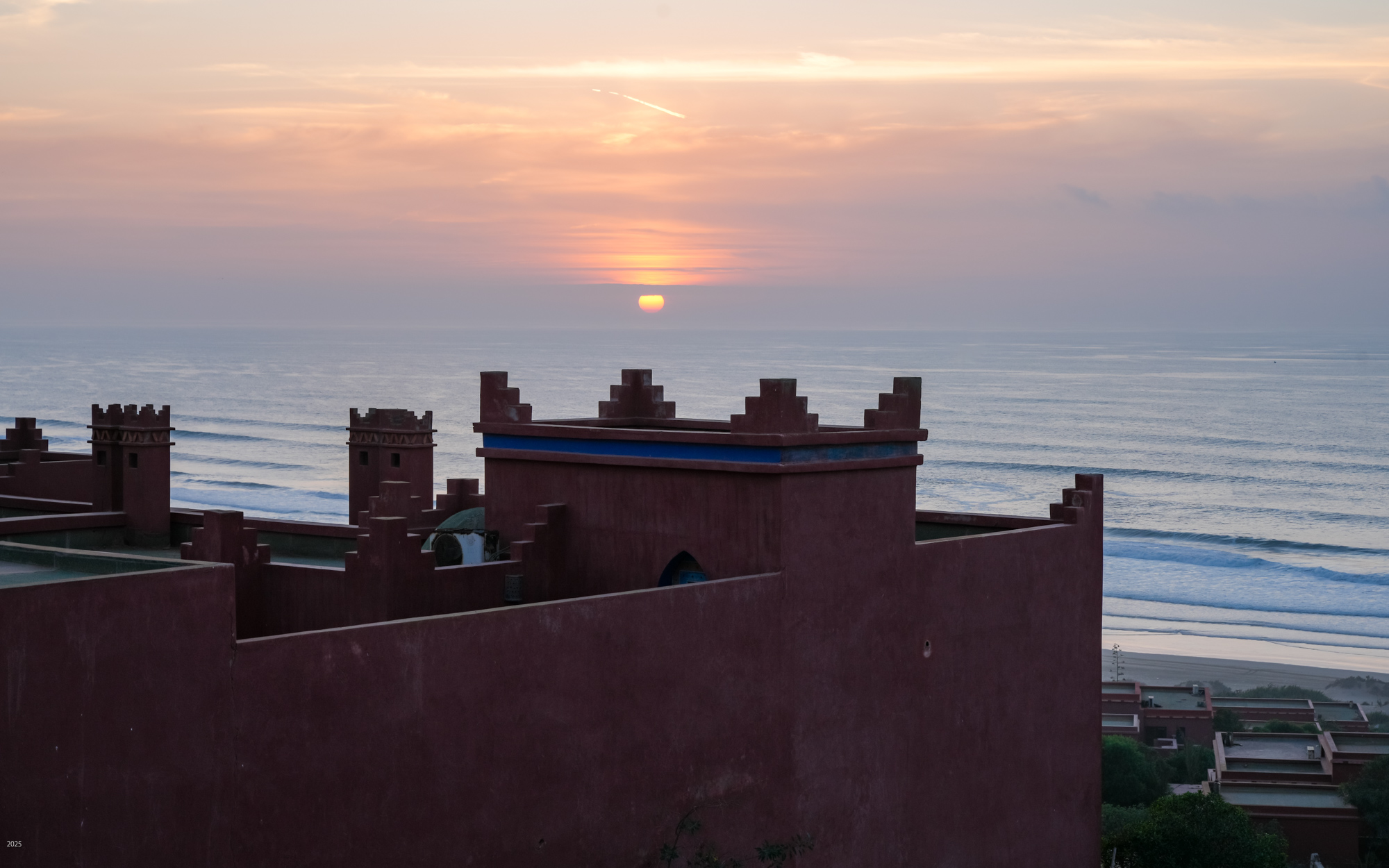
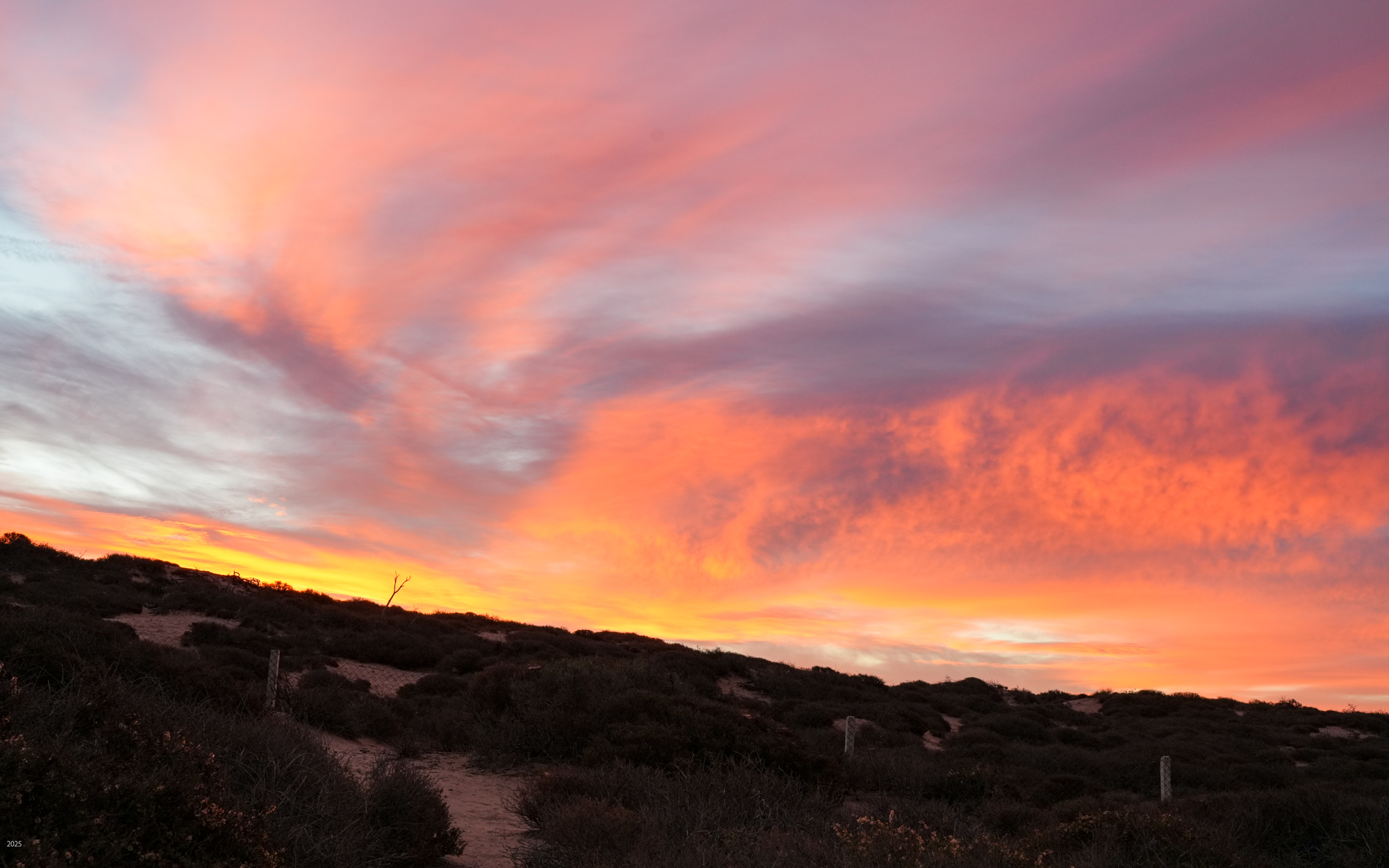
Sunset at Sidi R'bat
Sat 25th – Mon 27th October 2025
Sidi R’bat (also Sidi Rabat) is a quiet and friendly small town on the Atlantic coast south of Agadir in Morocco. In October a major attraction is the migrating birds stopping off on their journeys from Europe to South Africa. At this cool time of year there are also a few beach goers, but all the visitors tend to keep to themselves while enjoying their time at the beach or surveying the birds along the Massa River.
The Village
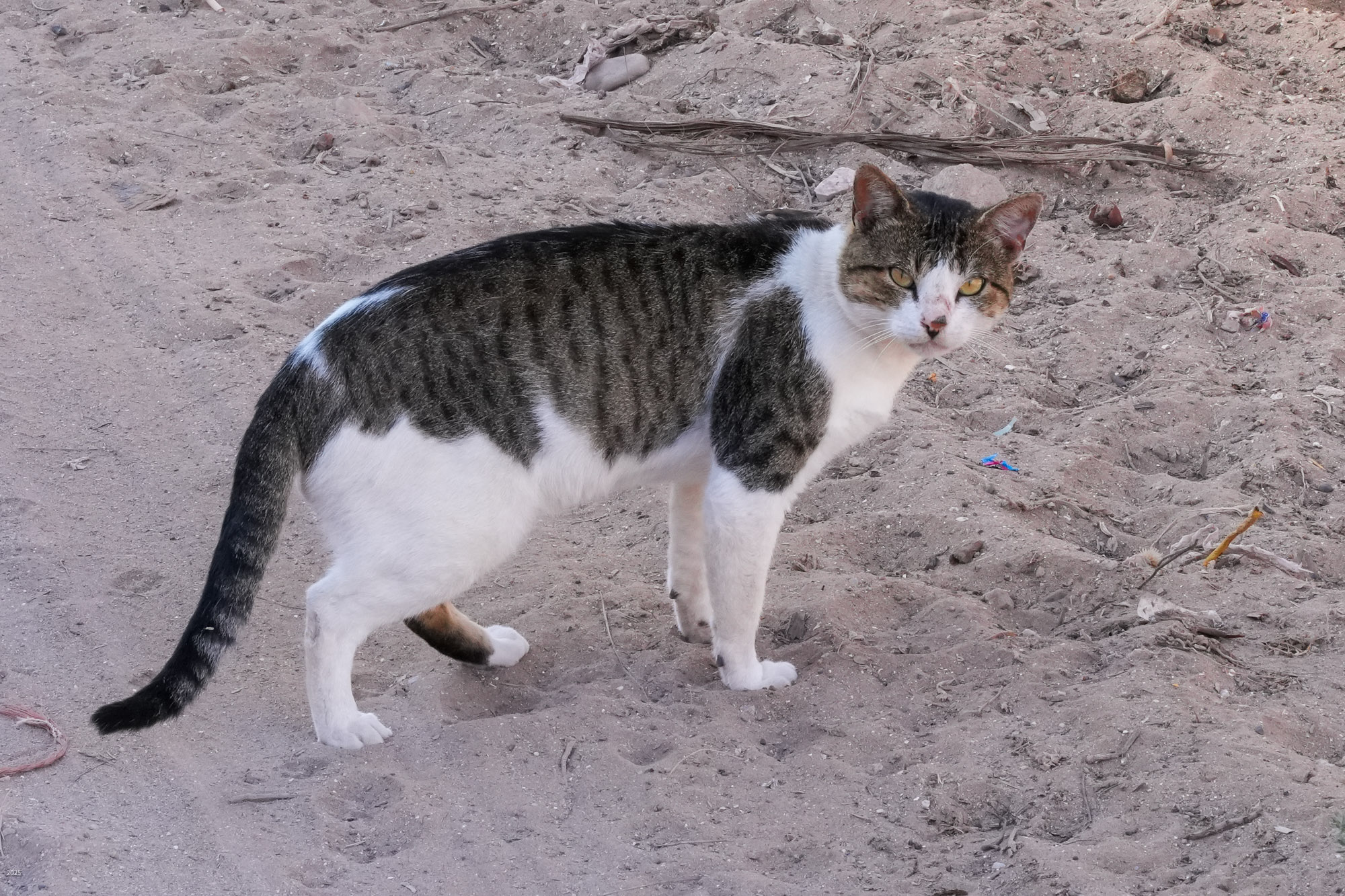
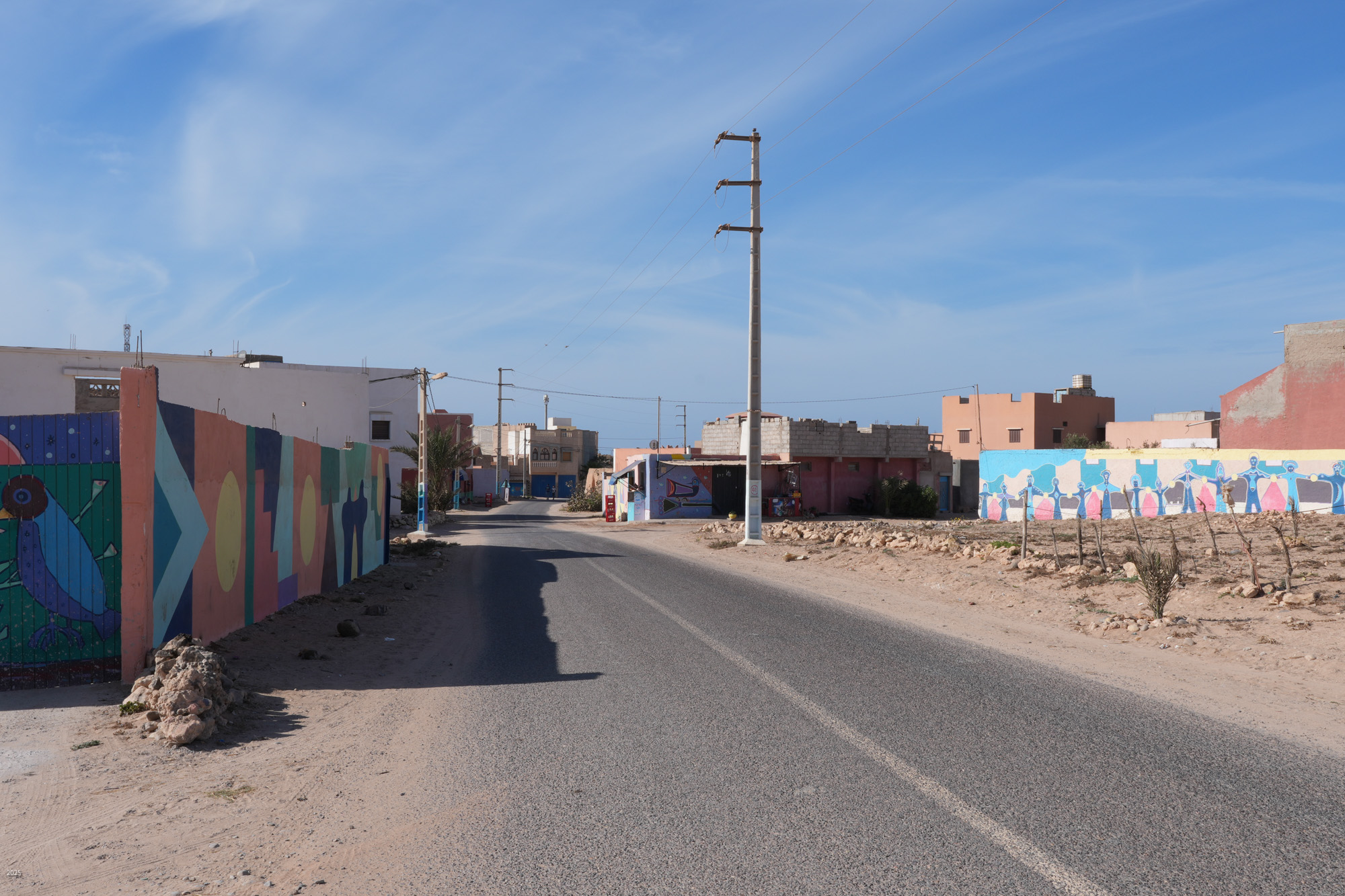
Sidi R'bat is very small, but welcoming. The town has only four intersecting streets so people move about on foot, and every person that we passed greeted us. Priscilla mentioned to Tim that more people greeted us on a short exploration of the town than in our two years in Mysore. Cats are common everywhere we went in Morocco, dogs less so.
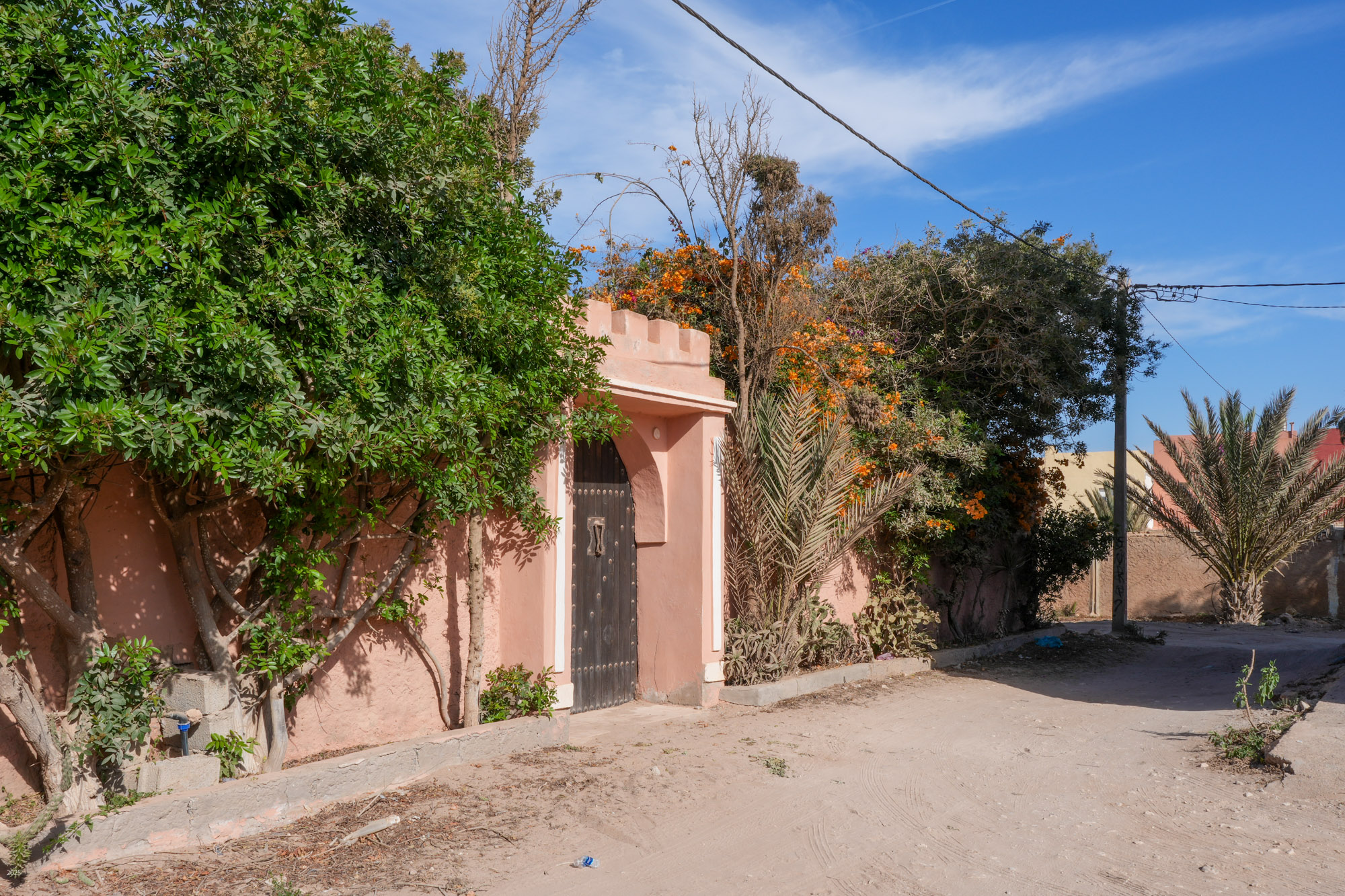
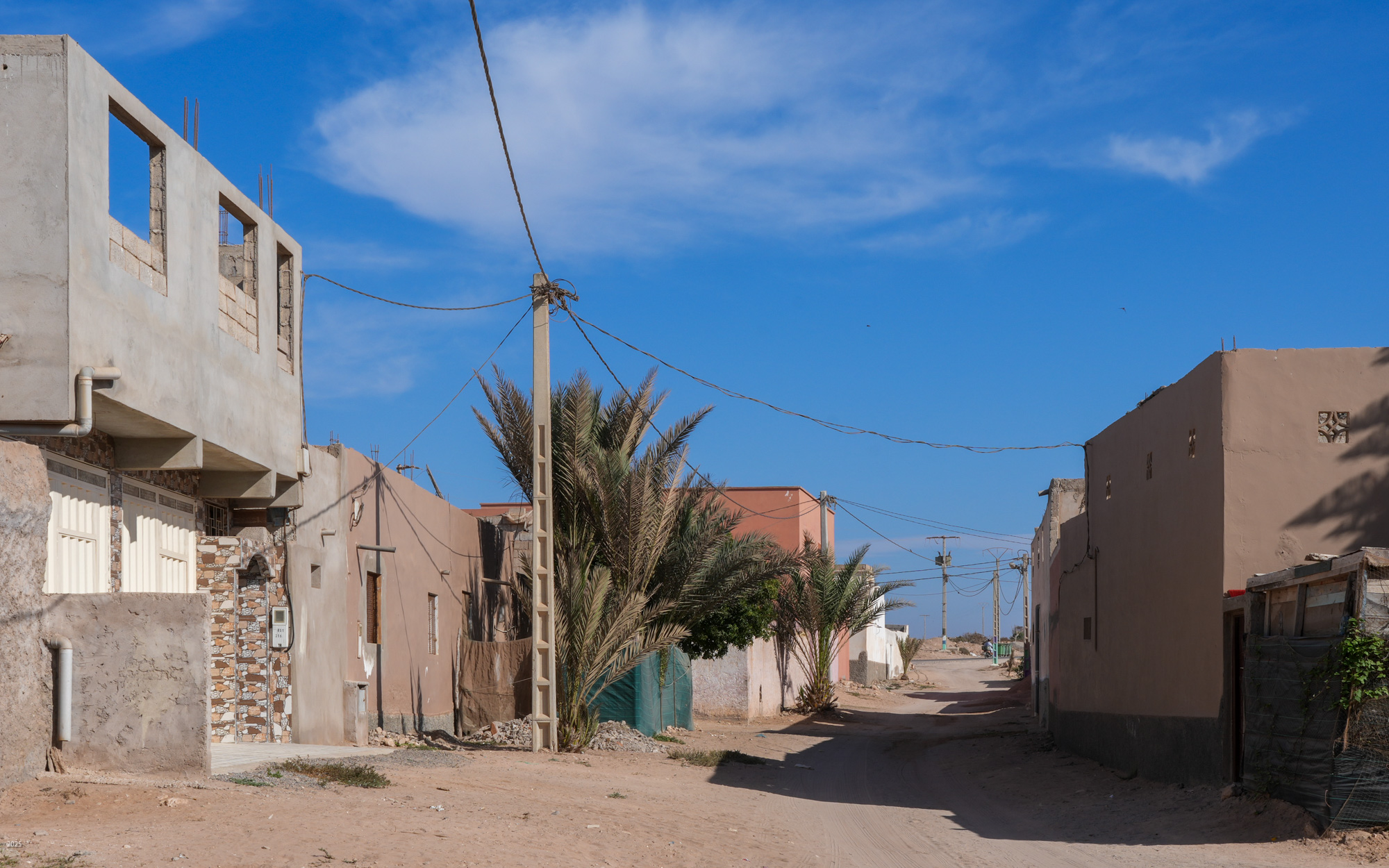
Sidi R'bat has a prominent mosque, like most other villages in Morocco. Calls to prayer are broadcast by loudspeaker regularly from early morning. Mosques in Morocco lack domes and have square minarets, unlike the round minarets found in India.
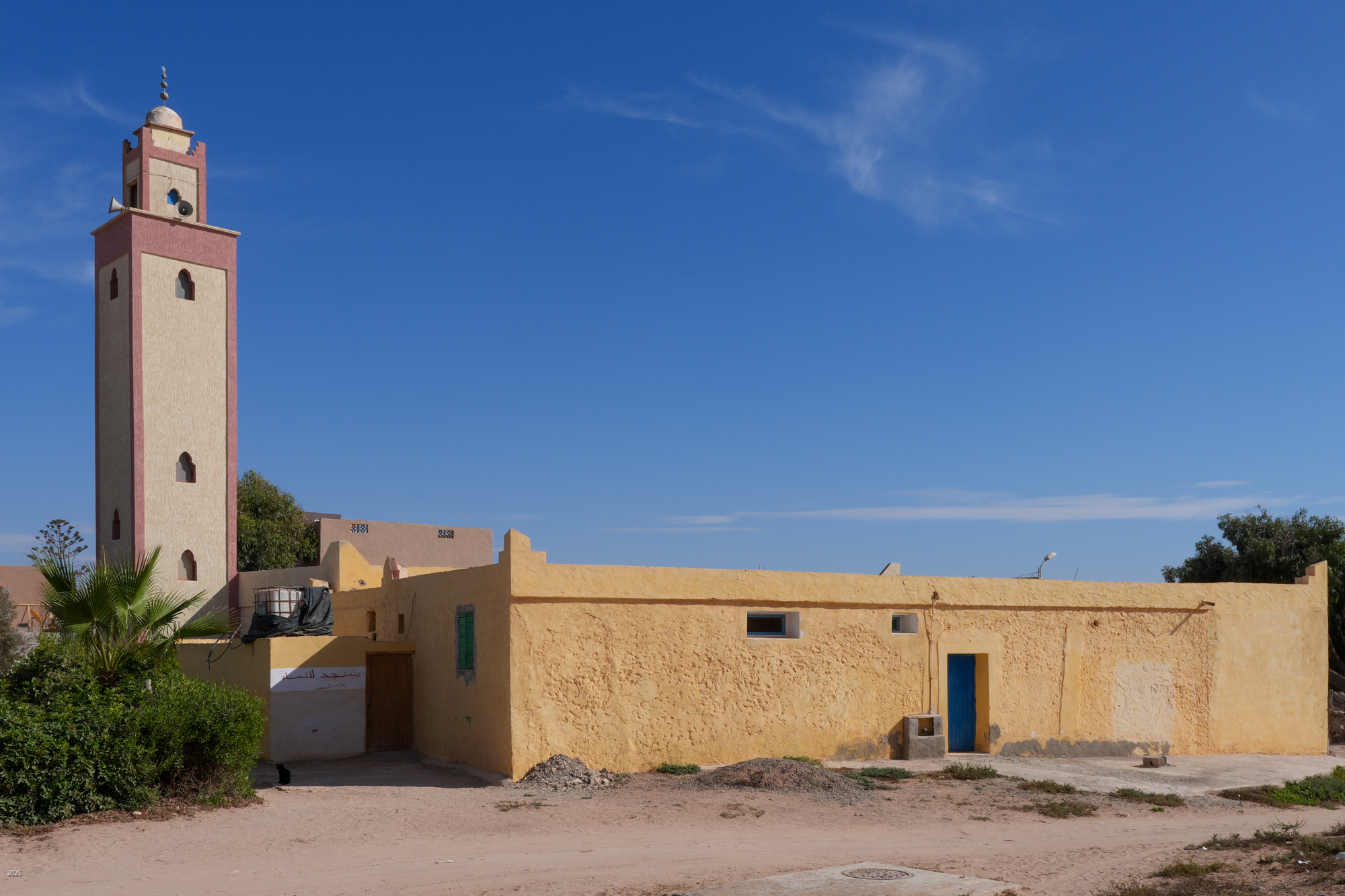
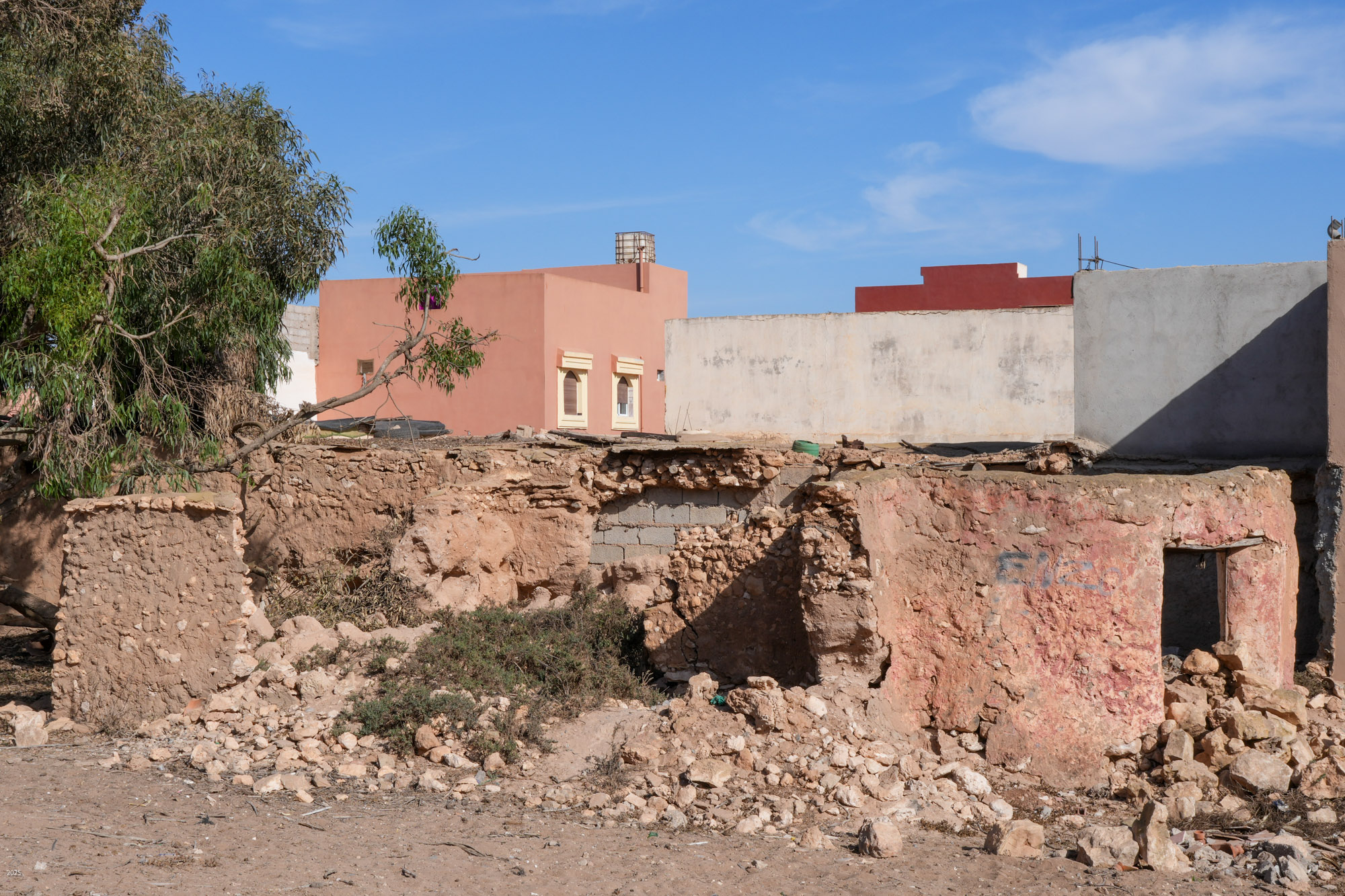
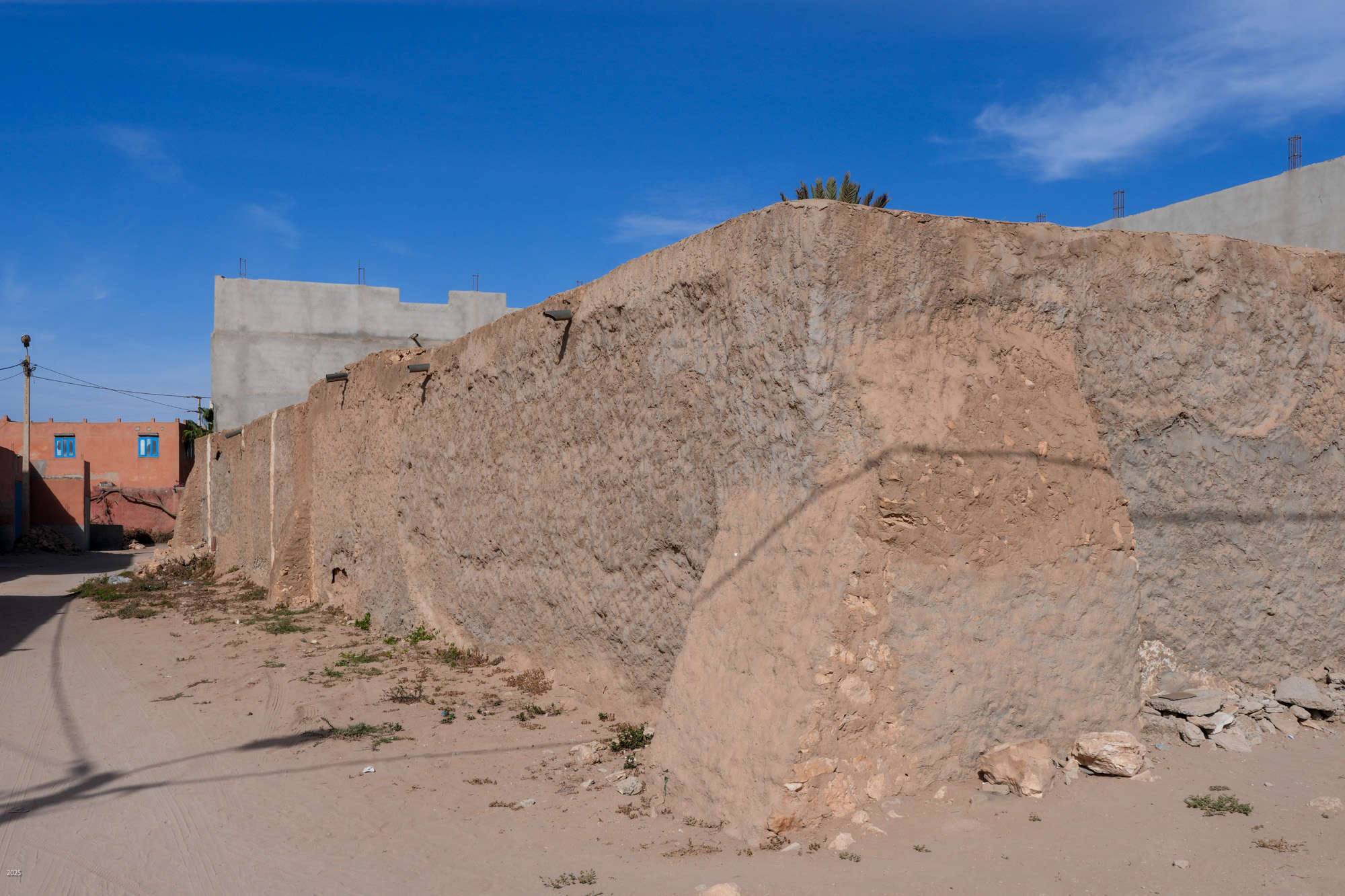
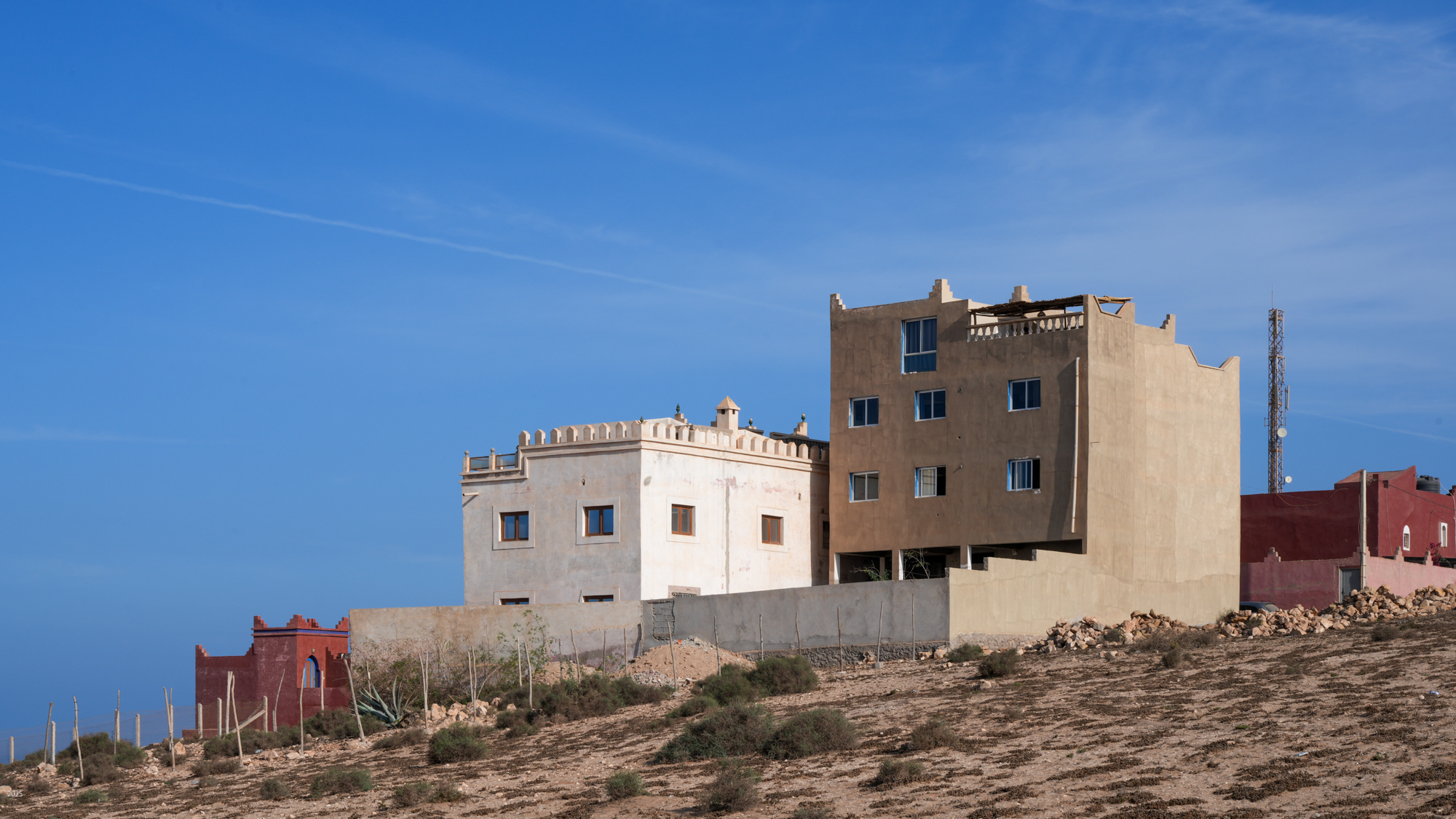
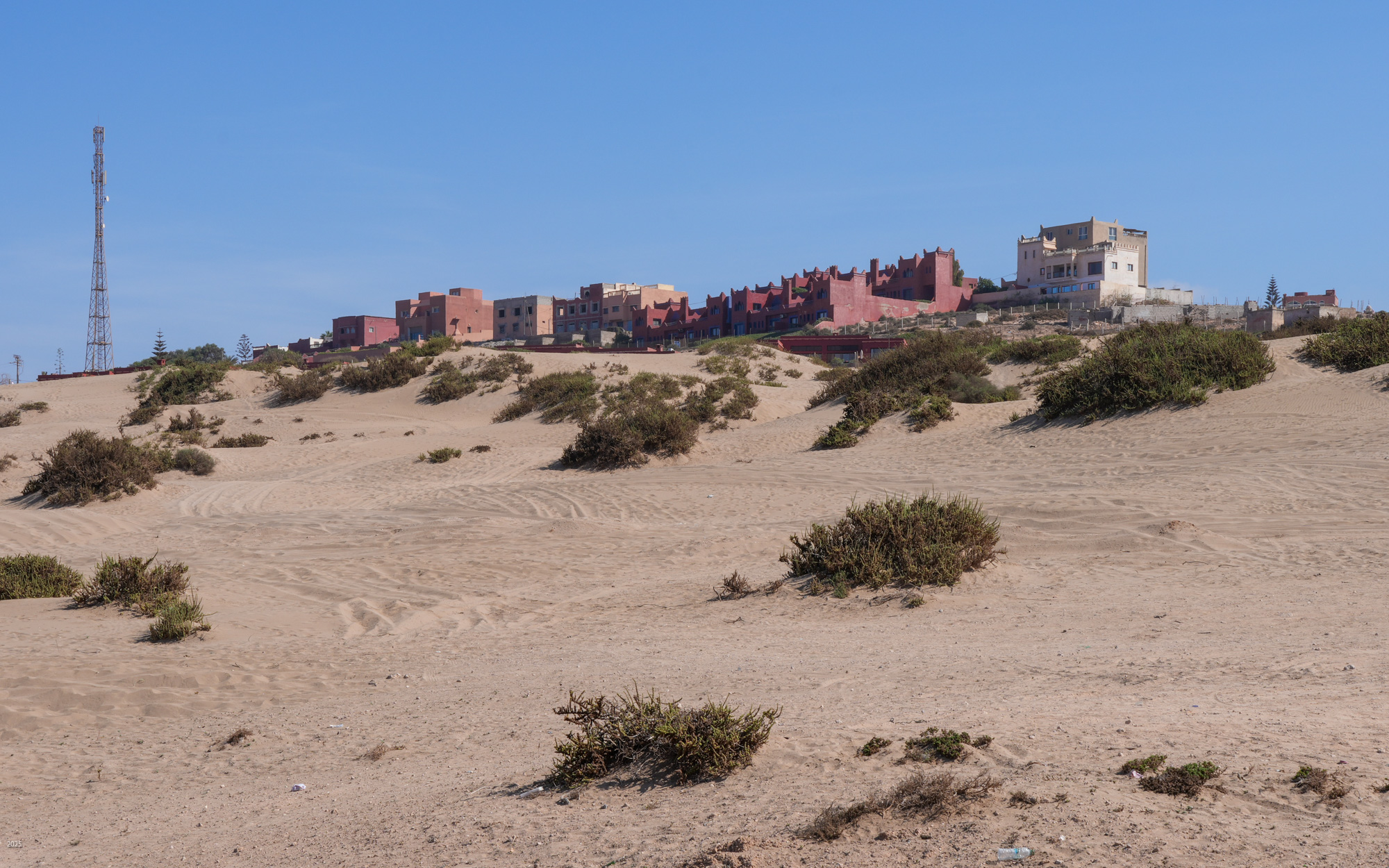
Most buildings in rural Morocco are rectangular. The walls and roofs are flat, and the angles between walls and roofs are all 90º. This is easier to construct using stones and mud mortar, and it is a more efficient use of space. Buildings are surrounded by a high compound wall with a solid door and no windows. The exterior walls of the buildings have few windows. The more affluent have shrubs and trees along the boundary for further privacy. The electricity meter is mounted on the outside of the compound wall next to the door.
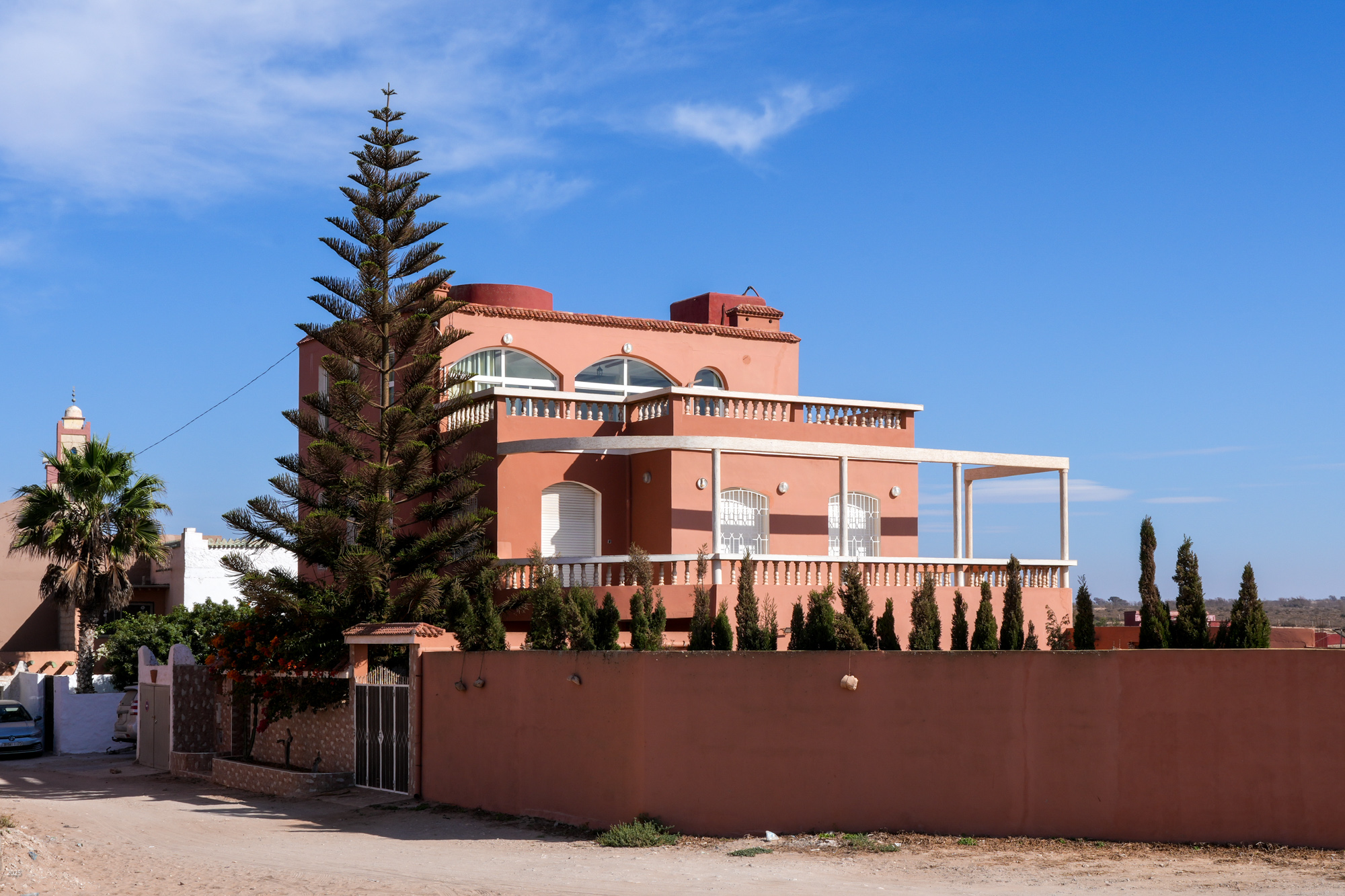
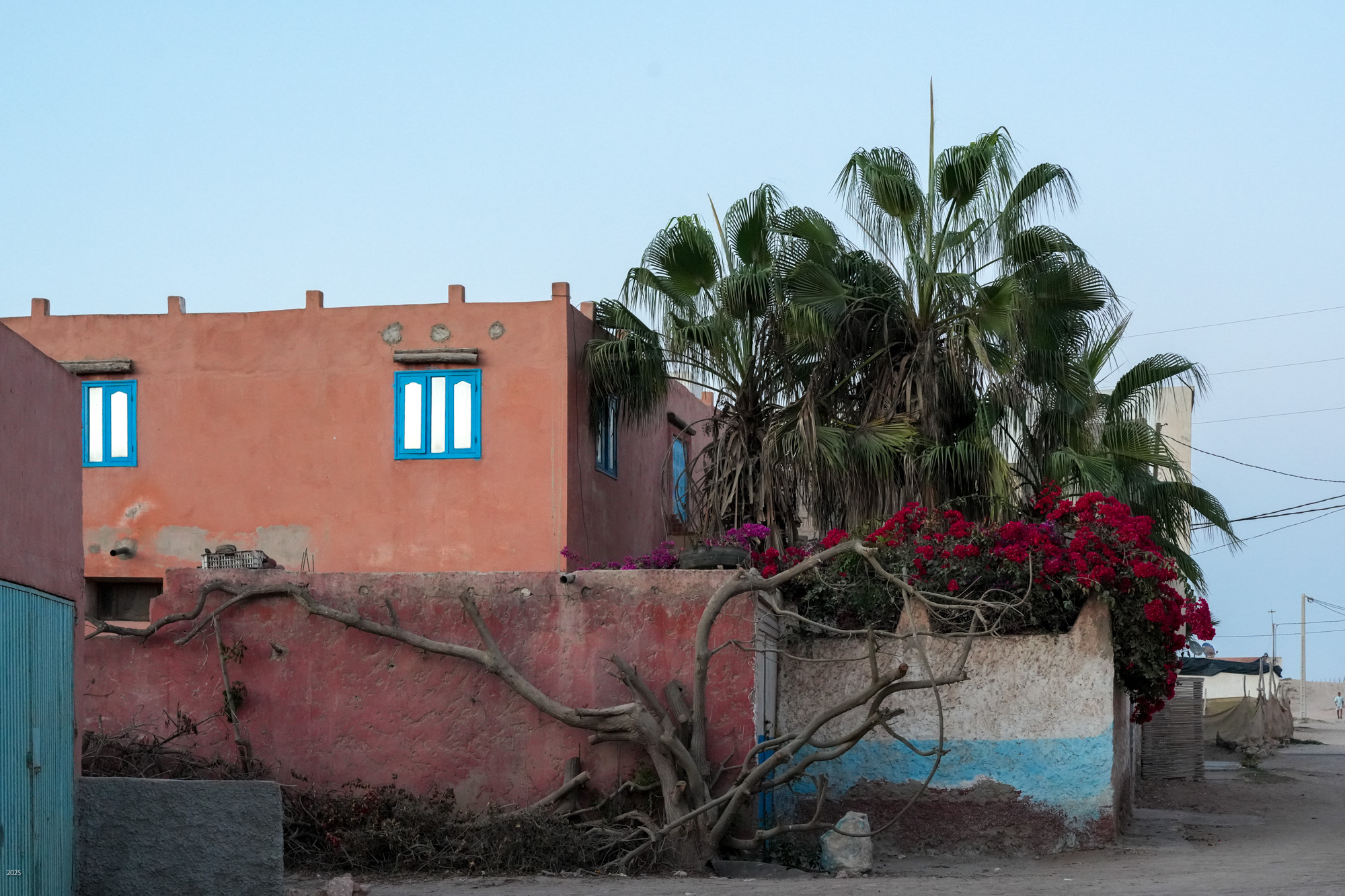
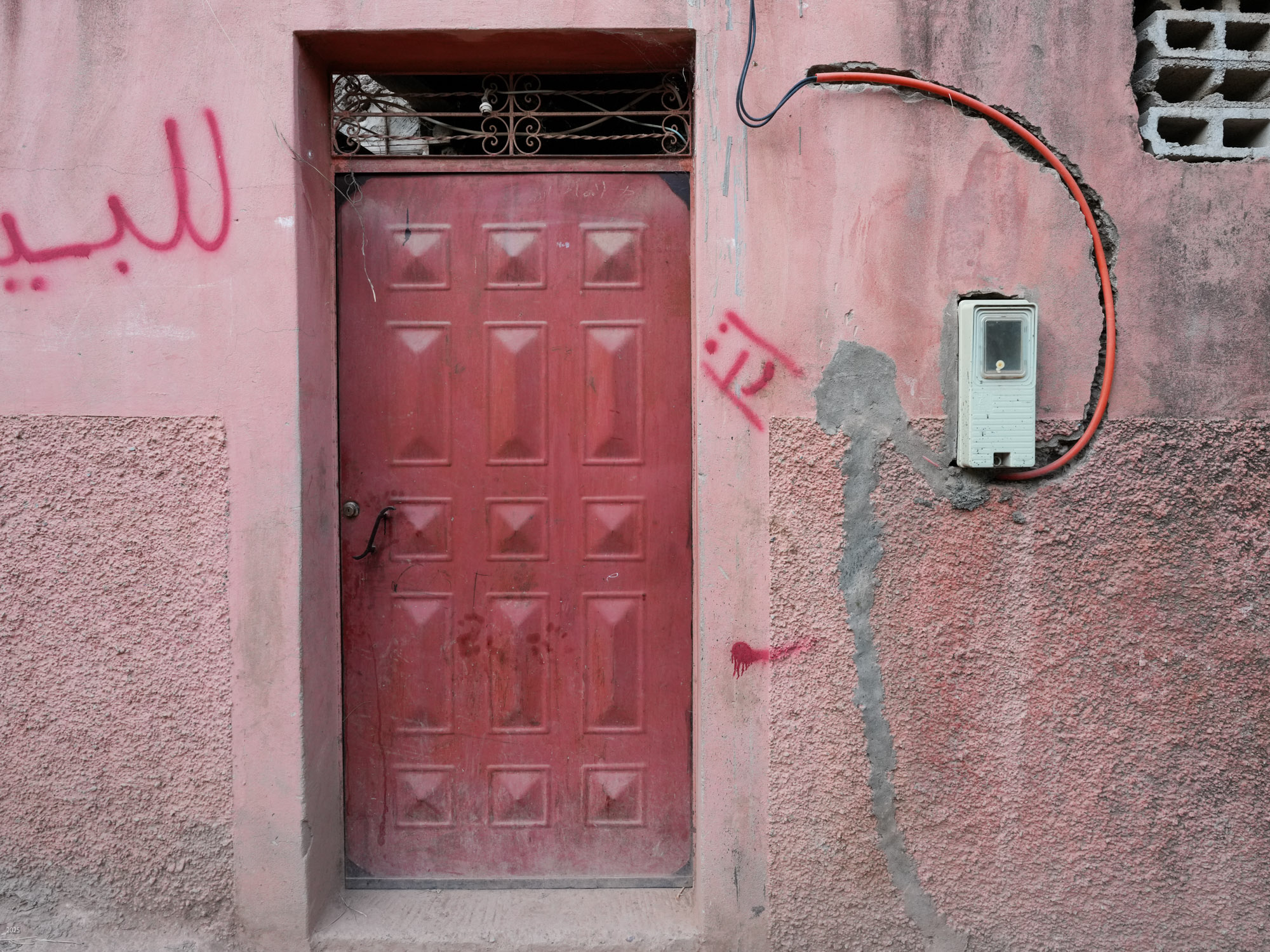
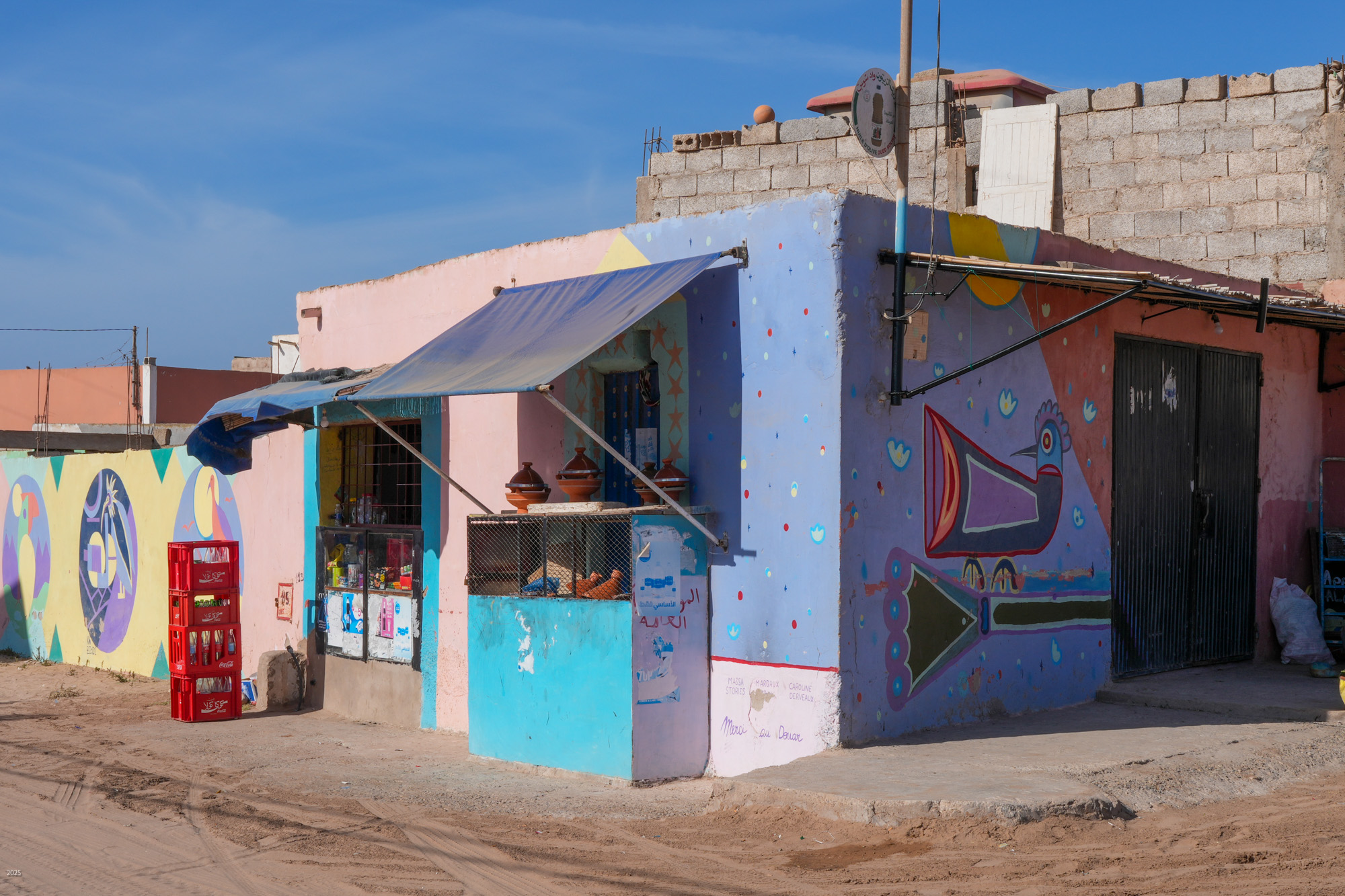
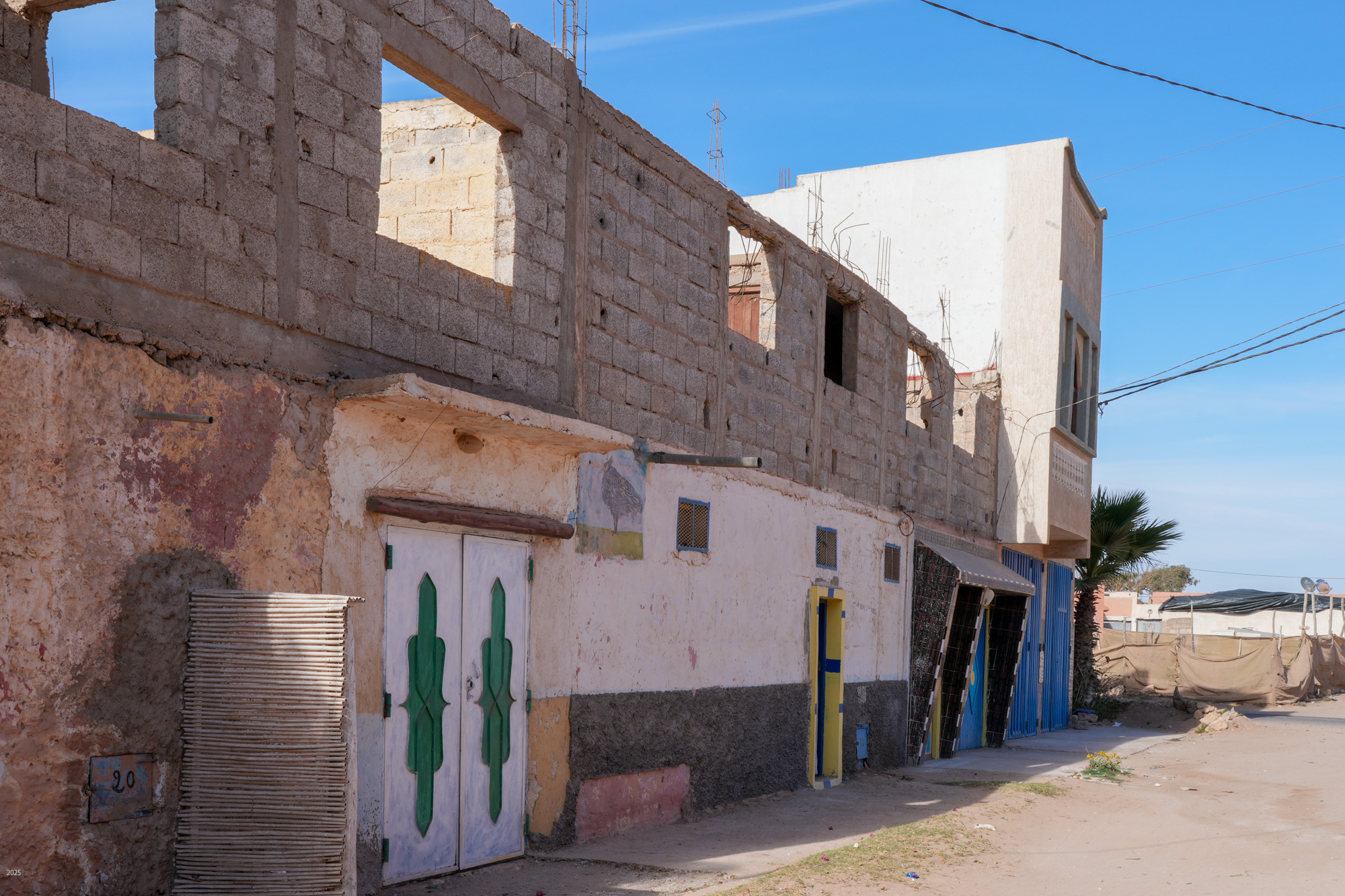

By law, modern buildings have to follow much of the traditional design. They are more sturdy with RCC columns and hollow cement blocks with cement mortar. Buildings are generally beige, grey, and deep red; earthy colours that meld with the arid countryside.
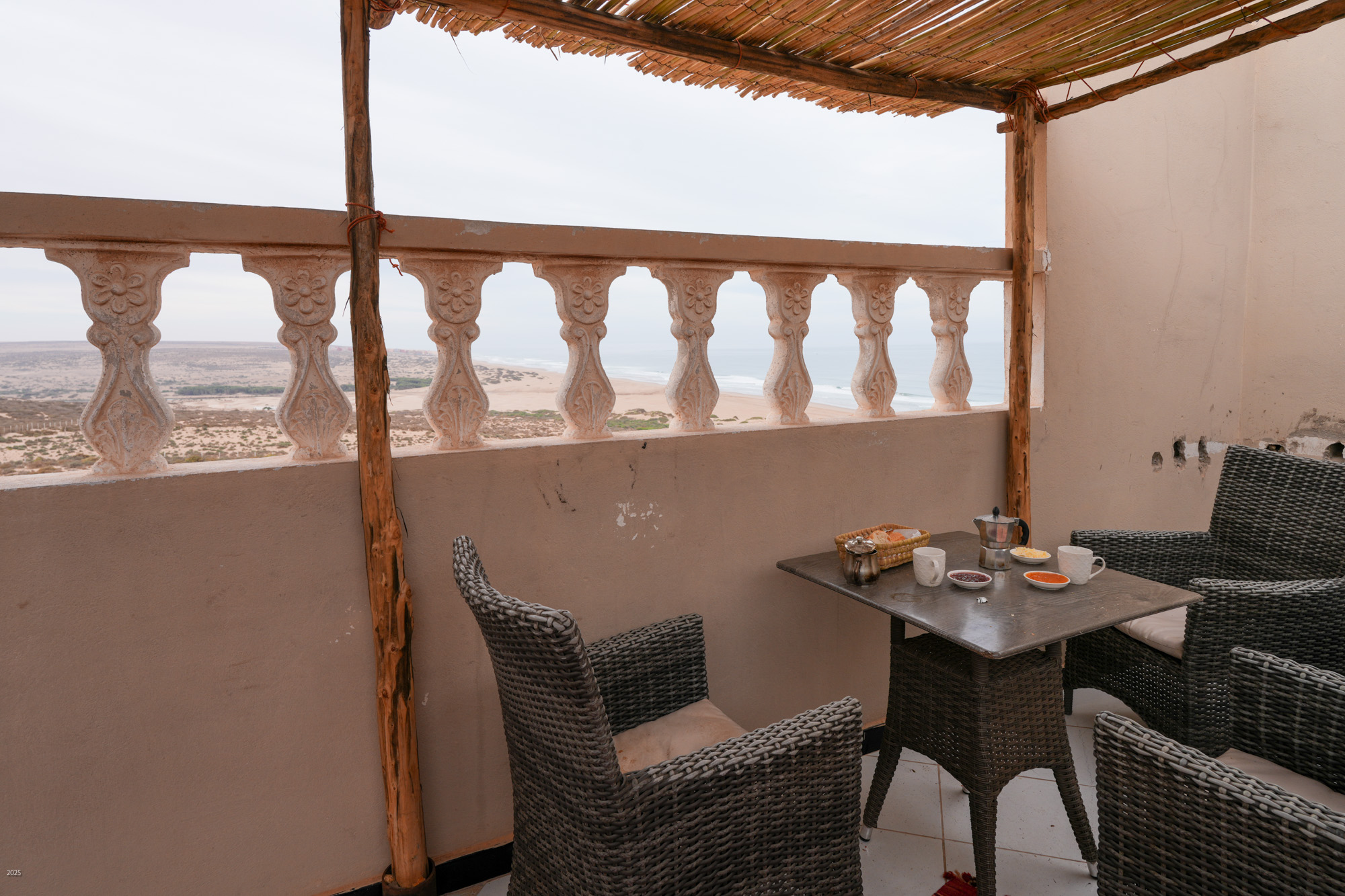
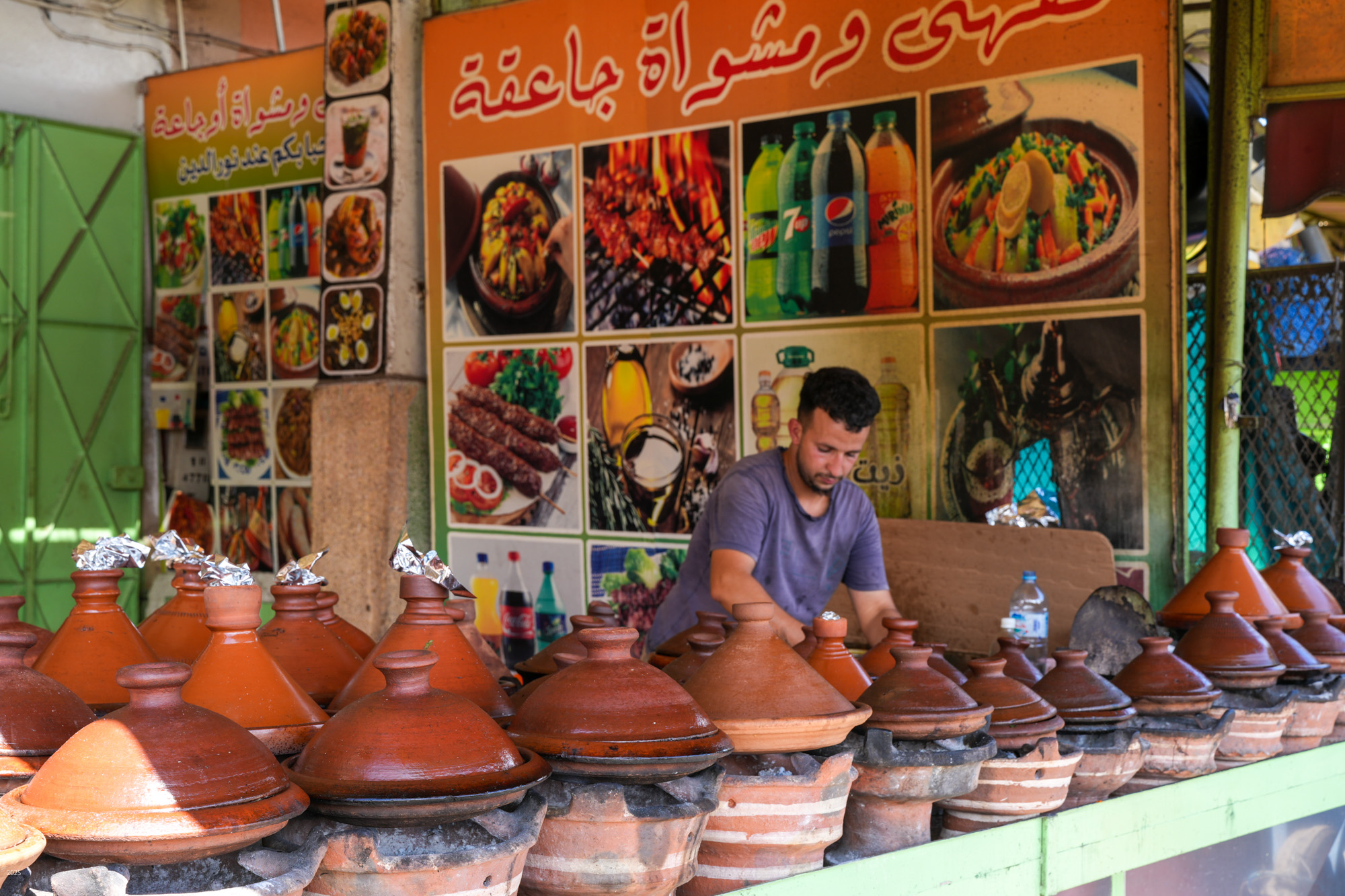
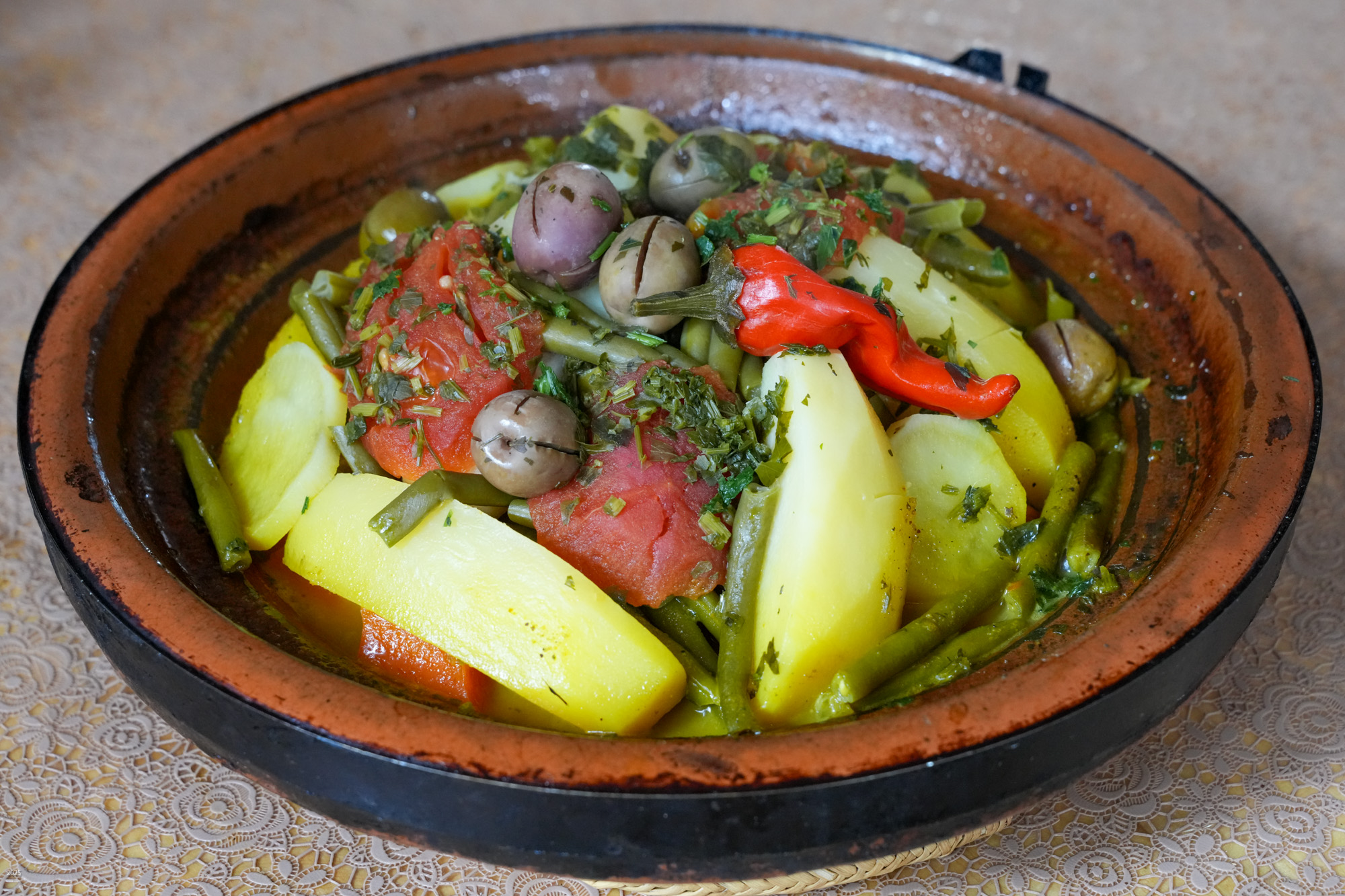
We stayed in Ecotours Massa guest house, a 4-storey building overlooking the beach. There is a small terrace at the top where we had breakfast with a view of the sea. Breakfast was bread with omelette and assorted jams and honey. With sweet Moroccan mint tea and black coffee, with milk on request. For lunch and dinner, we had grilled fish and vegetables, or chicken and vegetables tagine (stew cooked in a clay pot with a raised dome) with some fruit.
The Beach
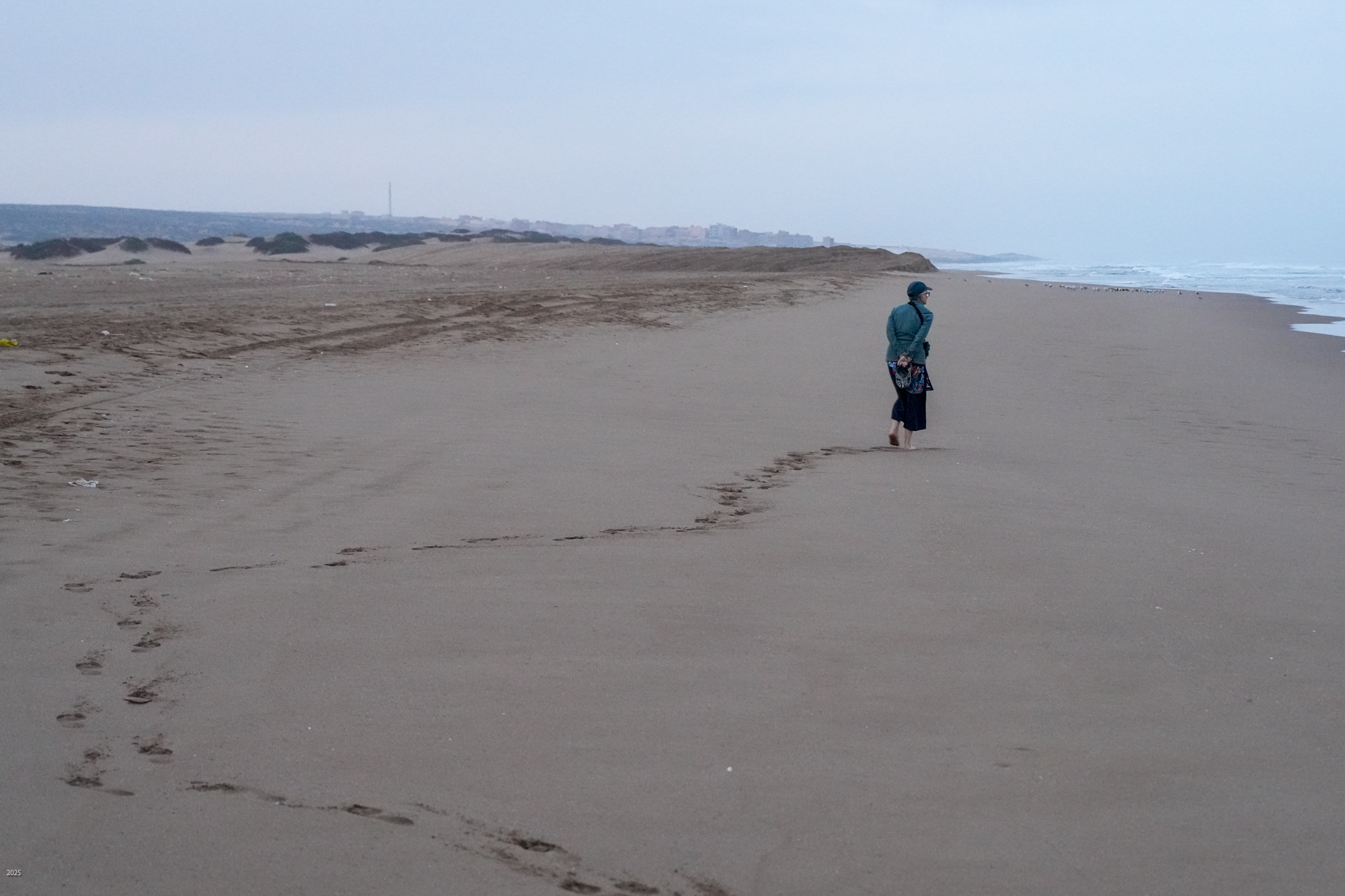
Sand dunes start right at the side of the last houses on the west and stretch down to the beach. It is a short walk through the dunes down to the beach or the river. The return uphill is a bit more challenging as one's feet sink into the soft, cool sand.
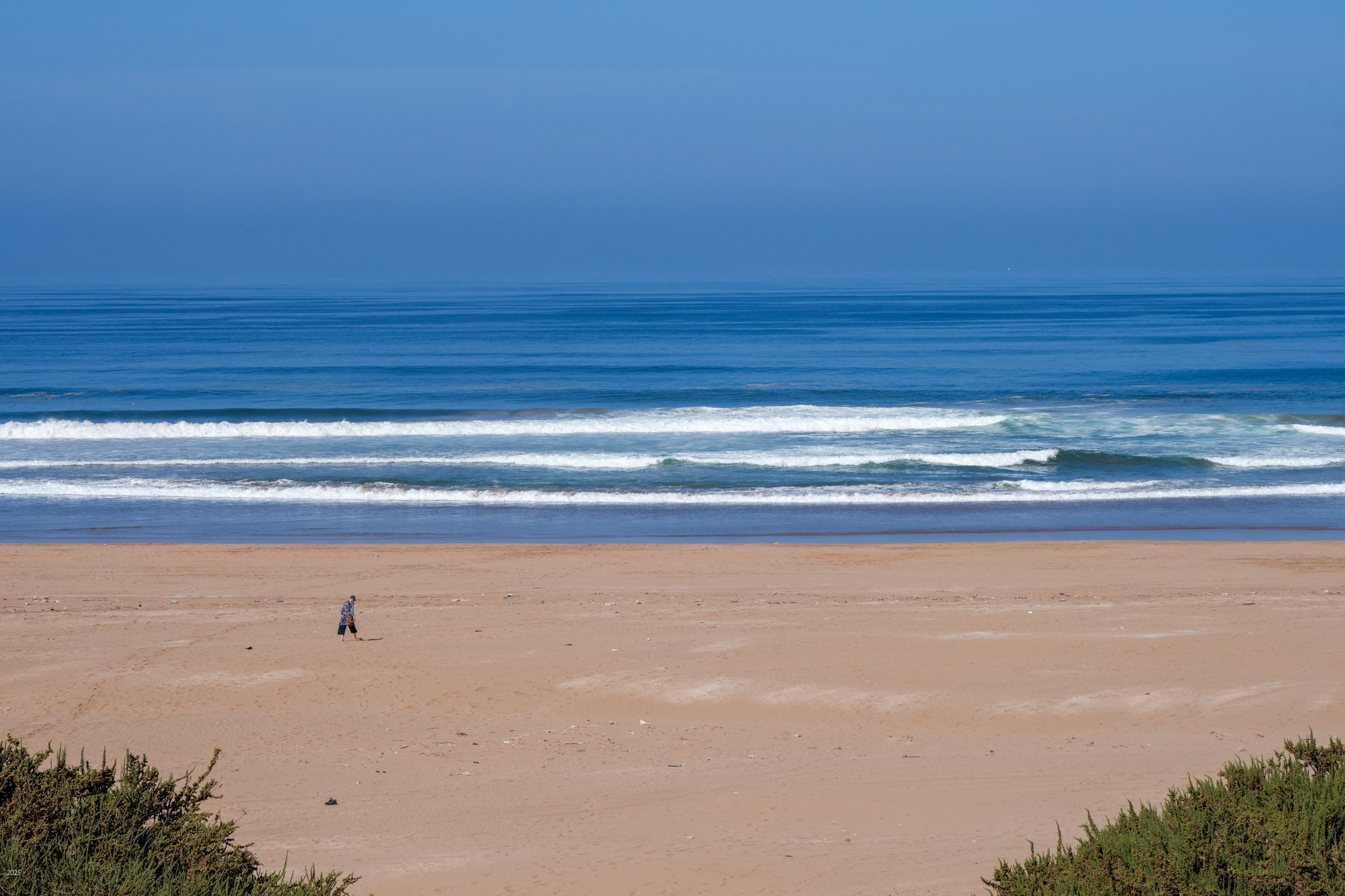
The beach itself is wide and flat, and the flat sand stretches a few hundred metres into the sea. This makes for very gentle lapping waves, a far cry from the pounding surf at the Southern tip of the continent. None the less, there were a few youngsters attempting to learn surfing there.


Souss Massa National Park
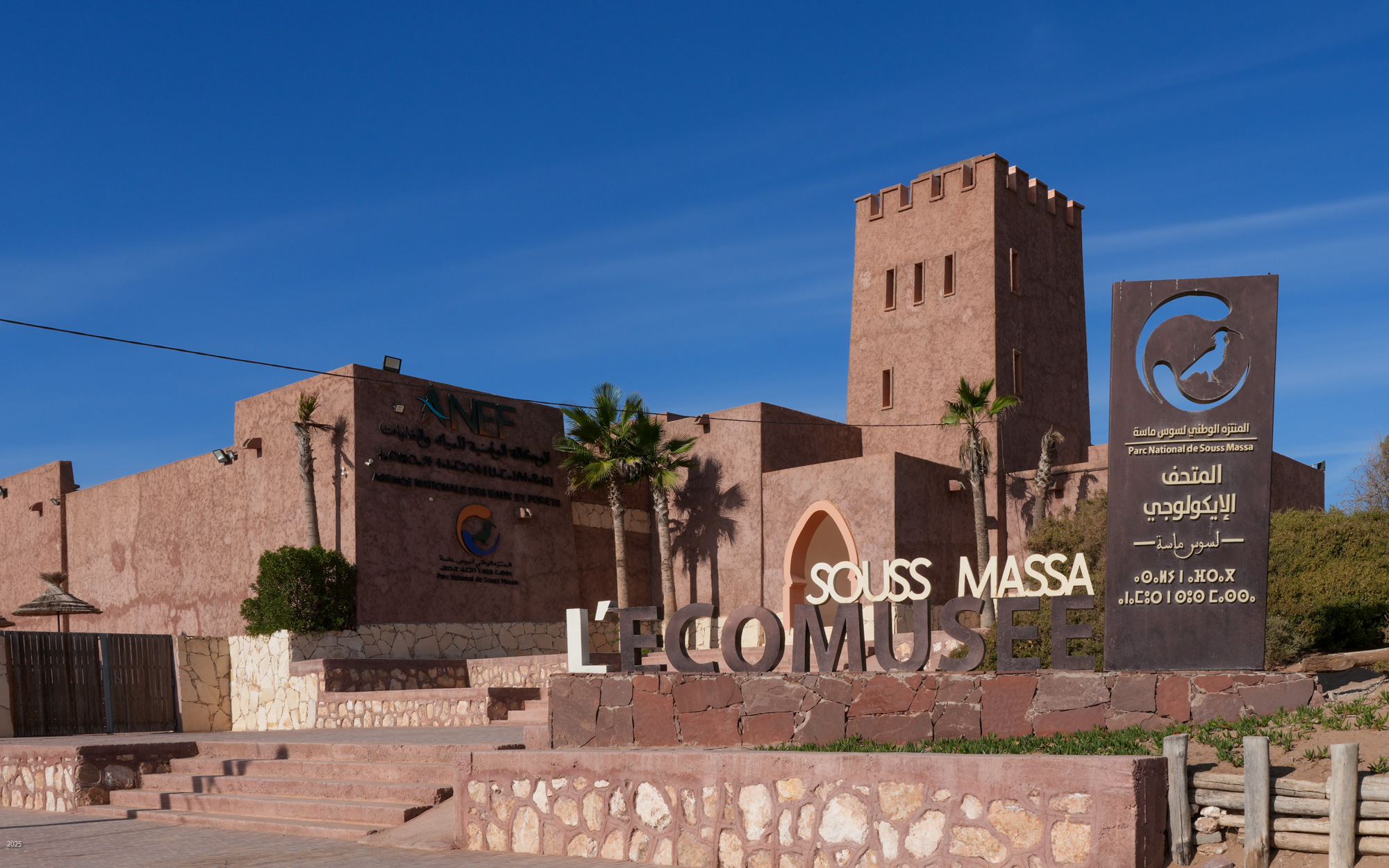
The nascent Souss Massa National Park starts just about a kilometre down the dunes from the town. So far there is an open gate and a scattering of informative signs along the two kilometre path to the other entrance to the park at Sidi Binzarne. This end is approaching completion with guides available and an eco museum being created. To date there is no entrance fee or opening or closing times.

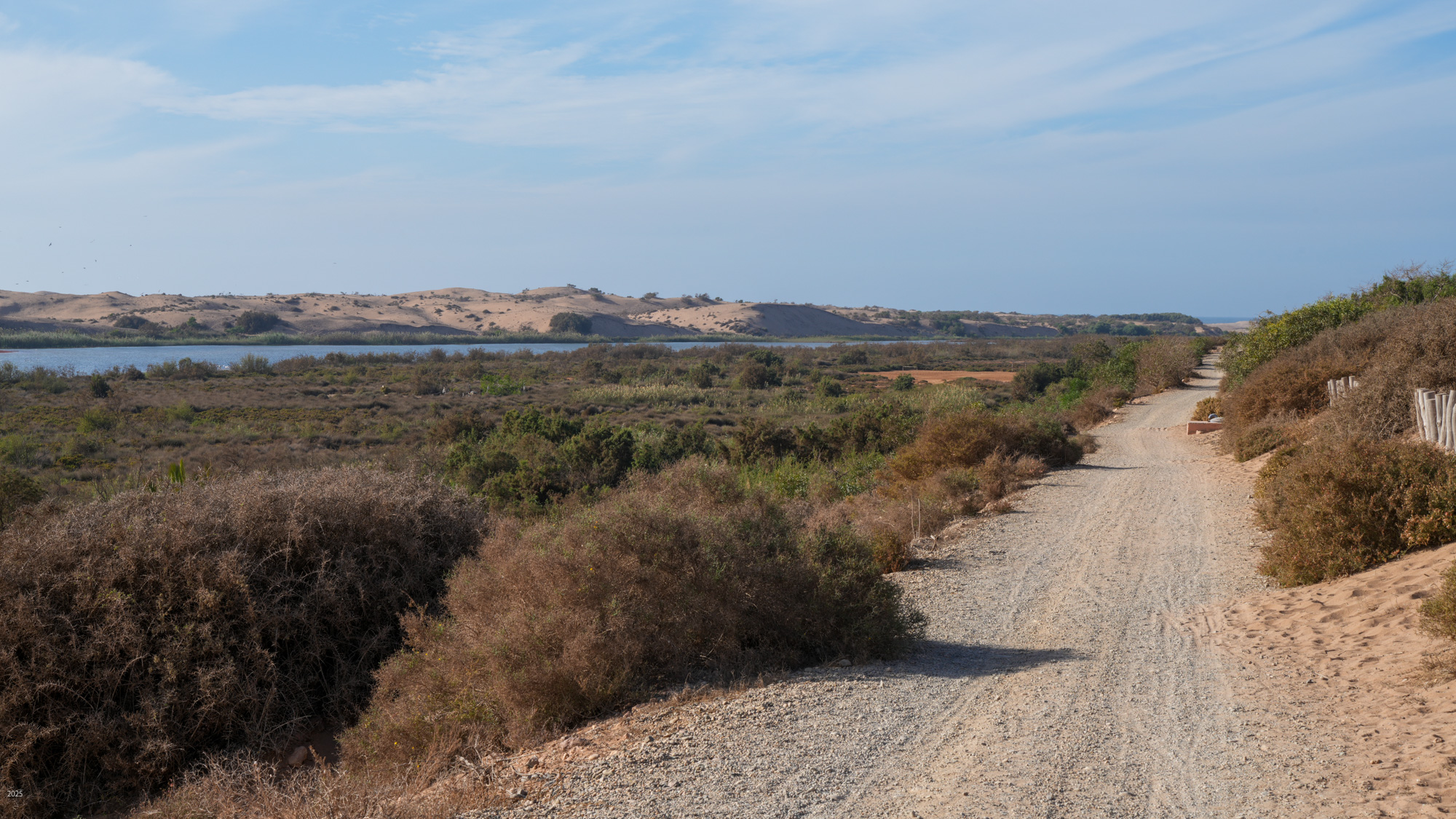
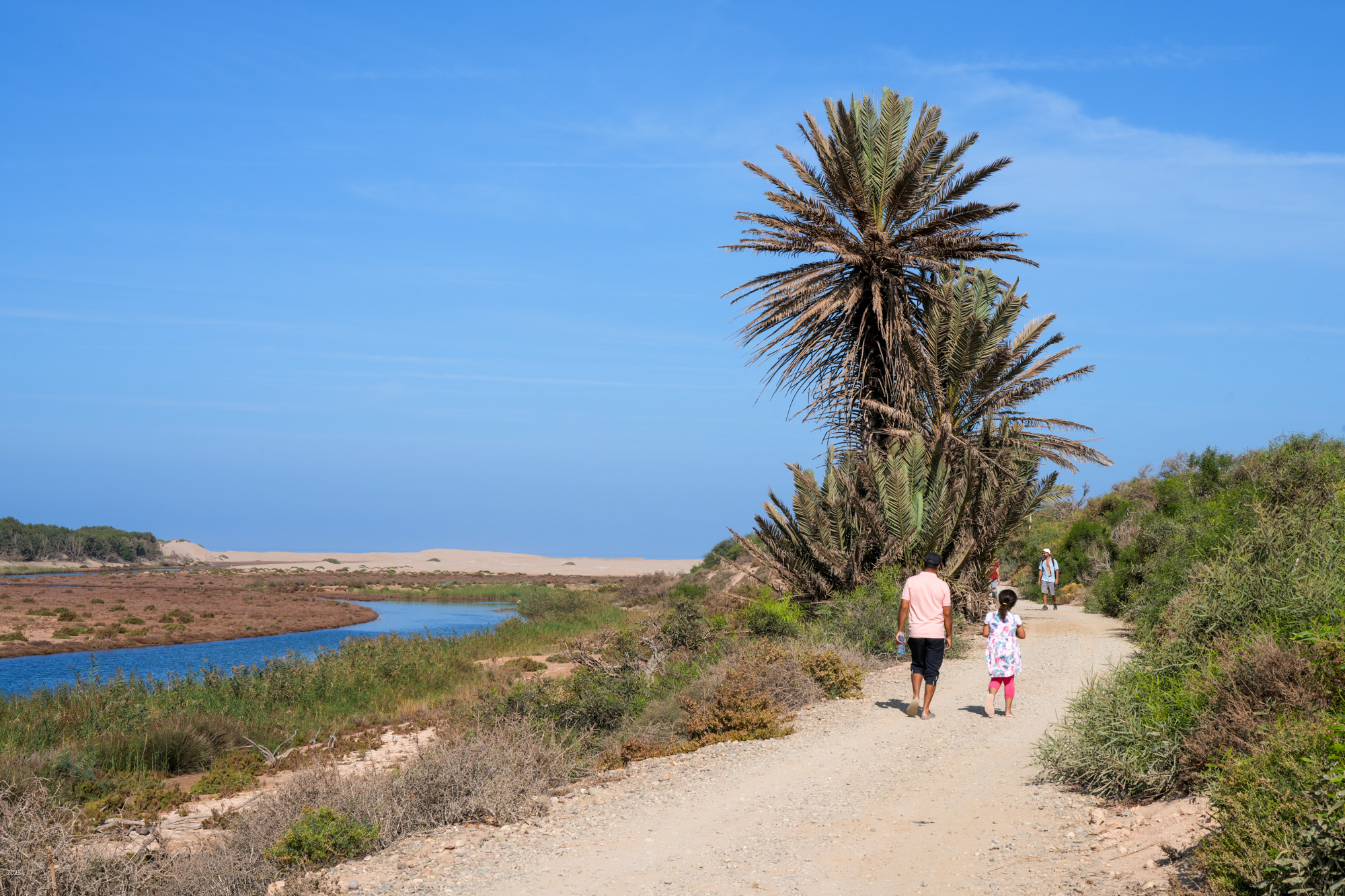
For bird watching the first kilometre below Sidi R’bat is better. Here, as the river makes its way to the sea, it meanders close to the path. The second kilometre offers views across the valley but the river is quite far away


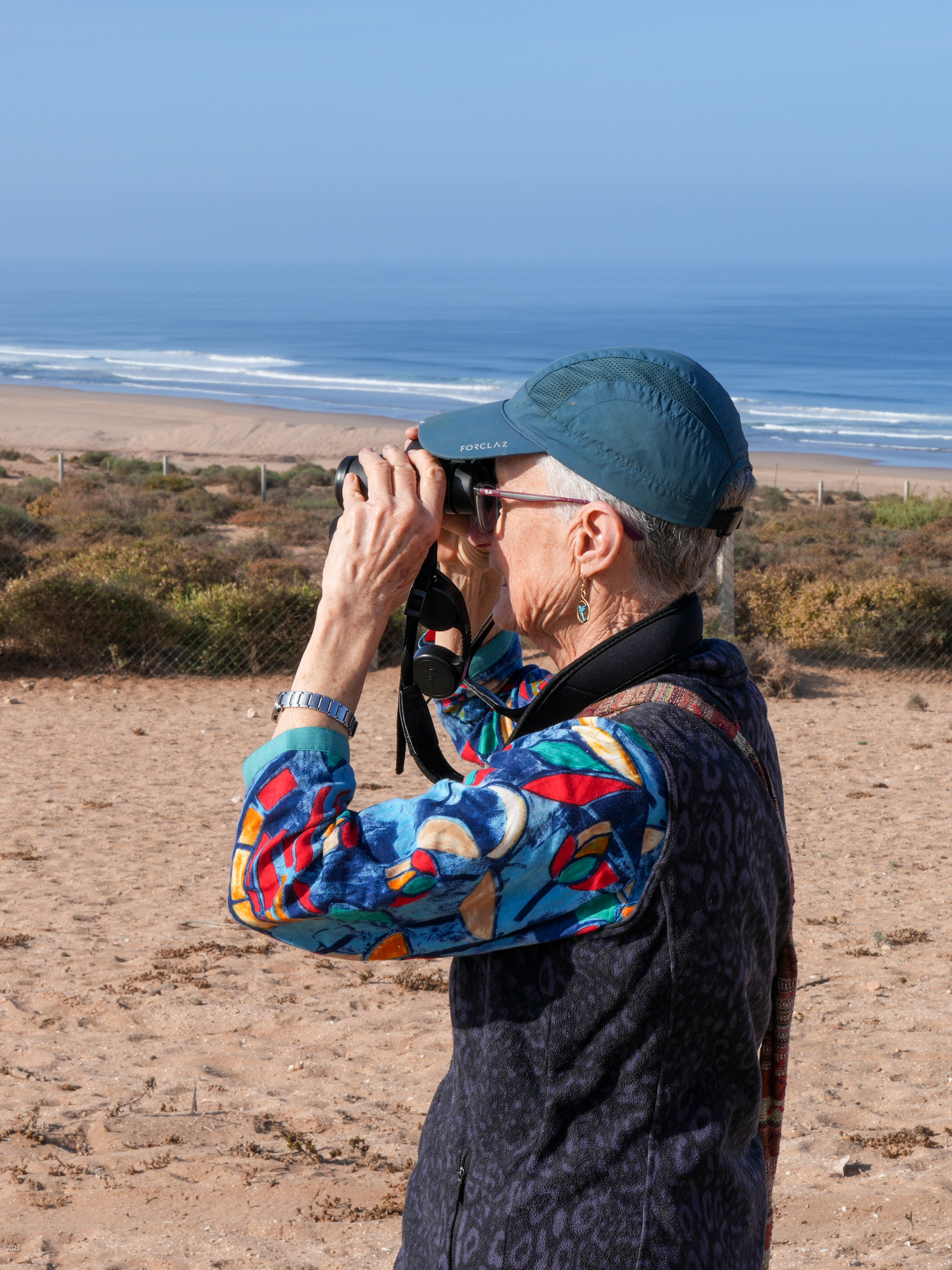
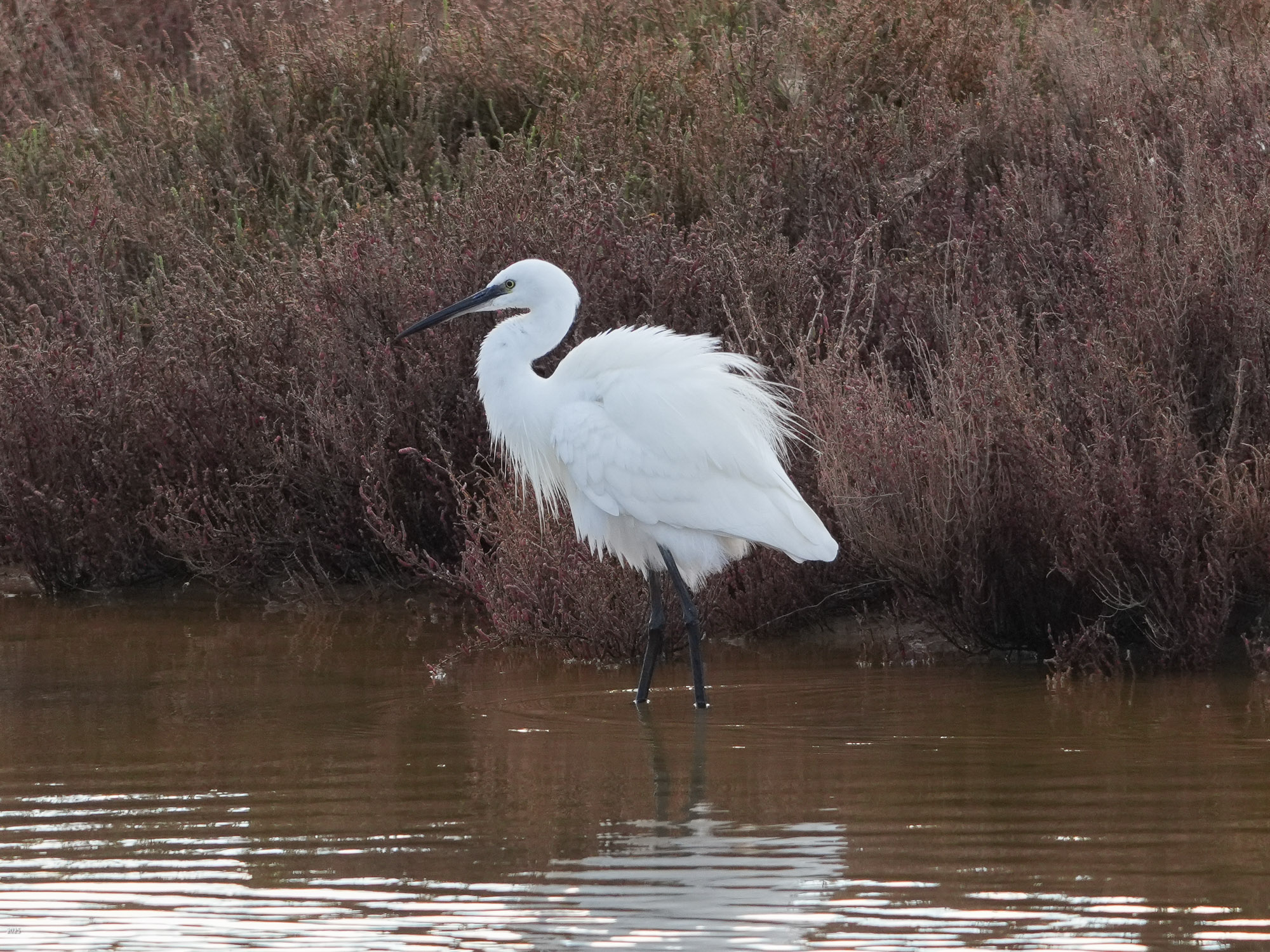
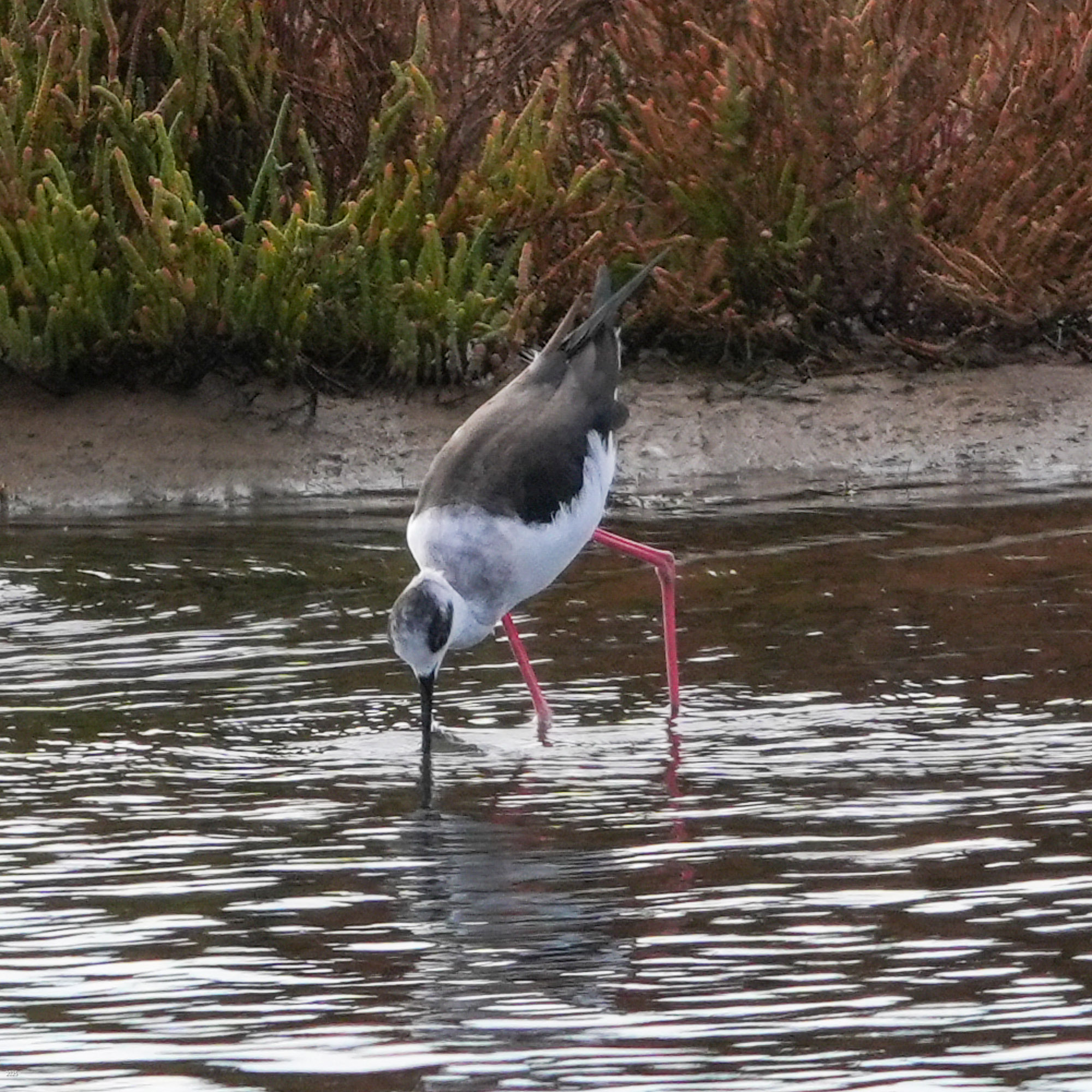
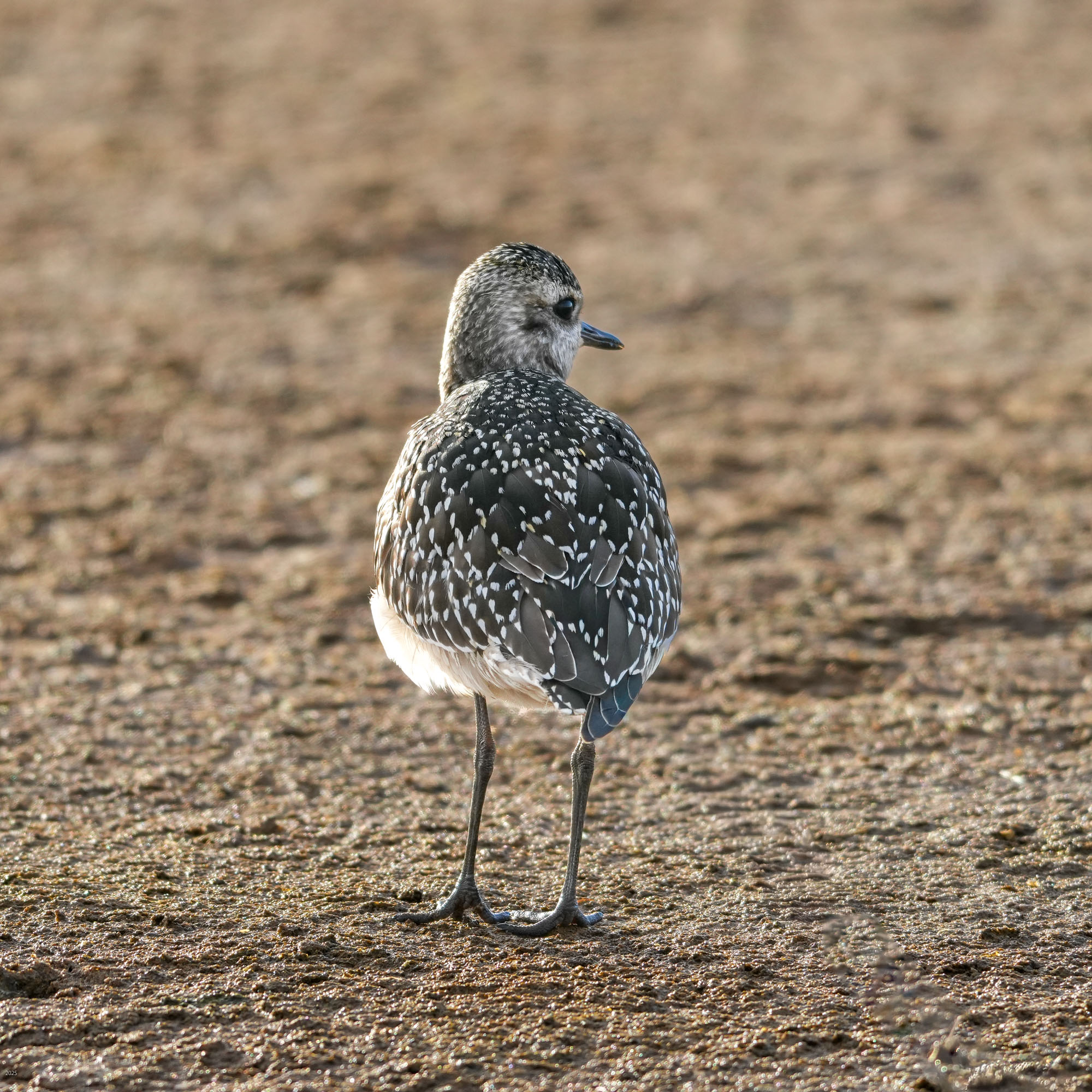
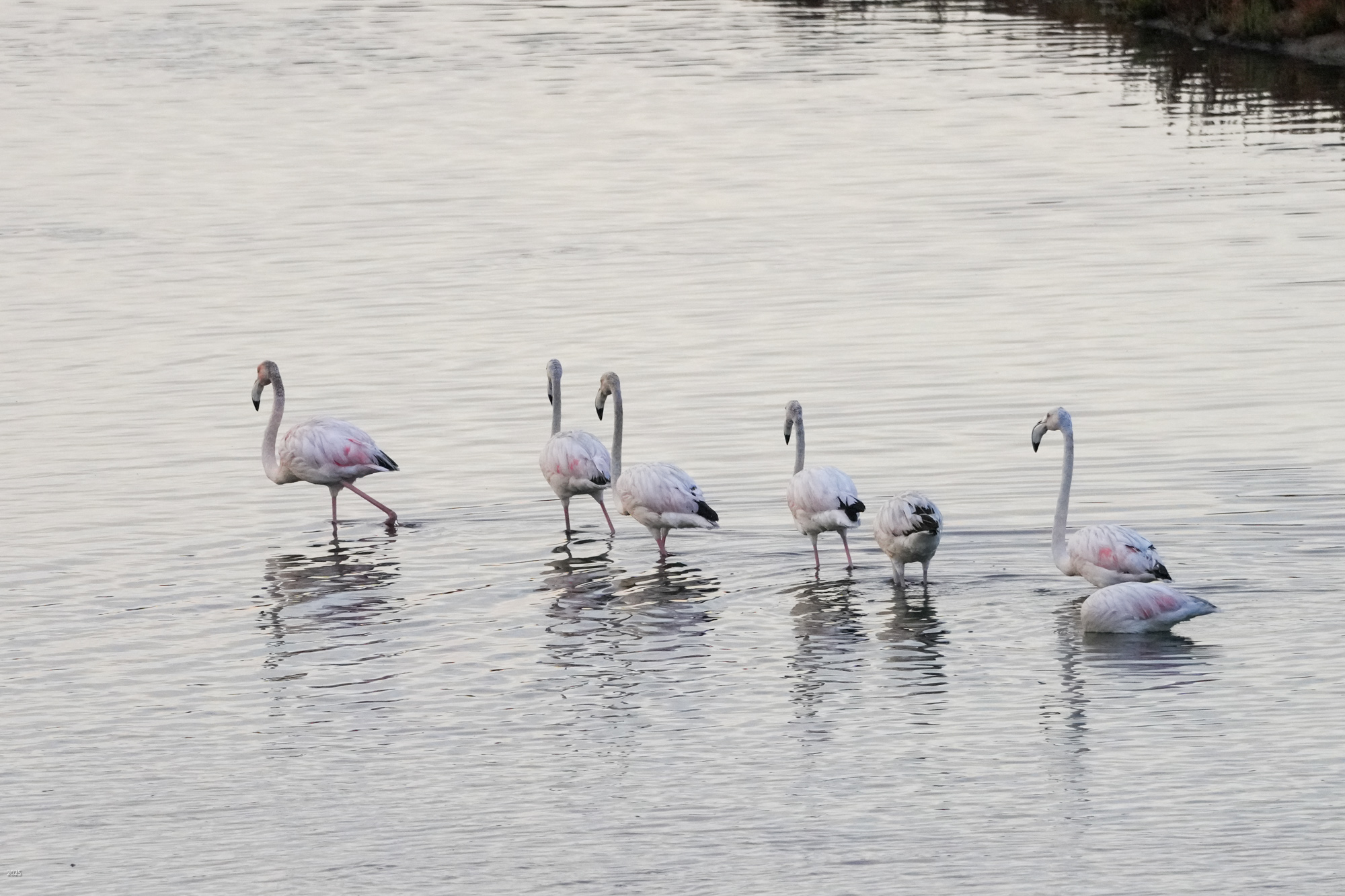
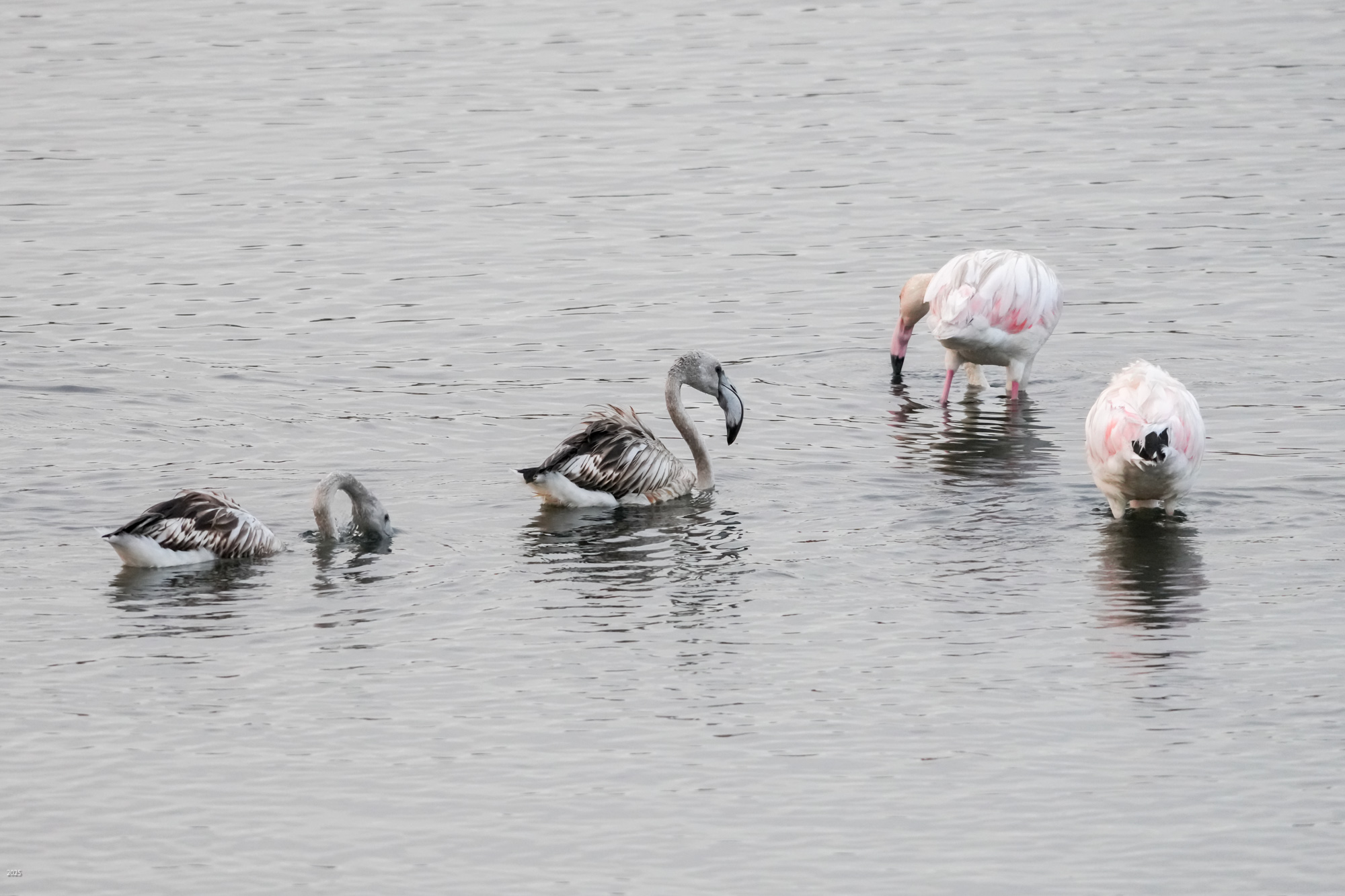
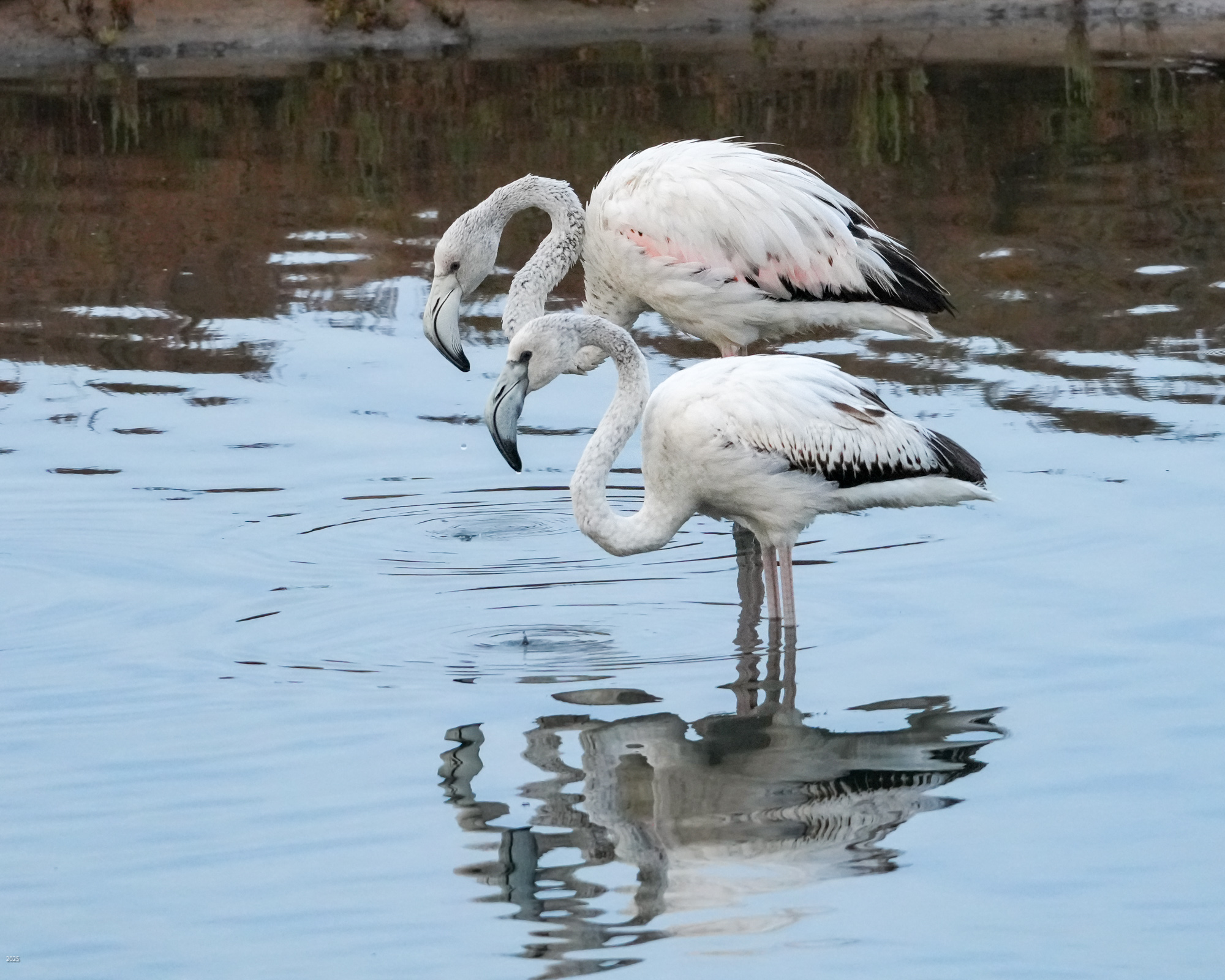
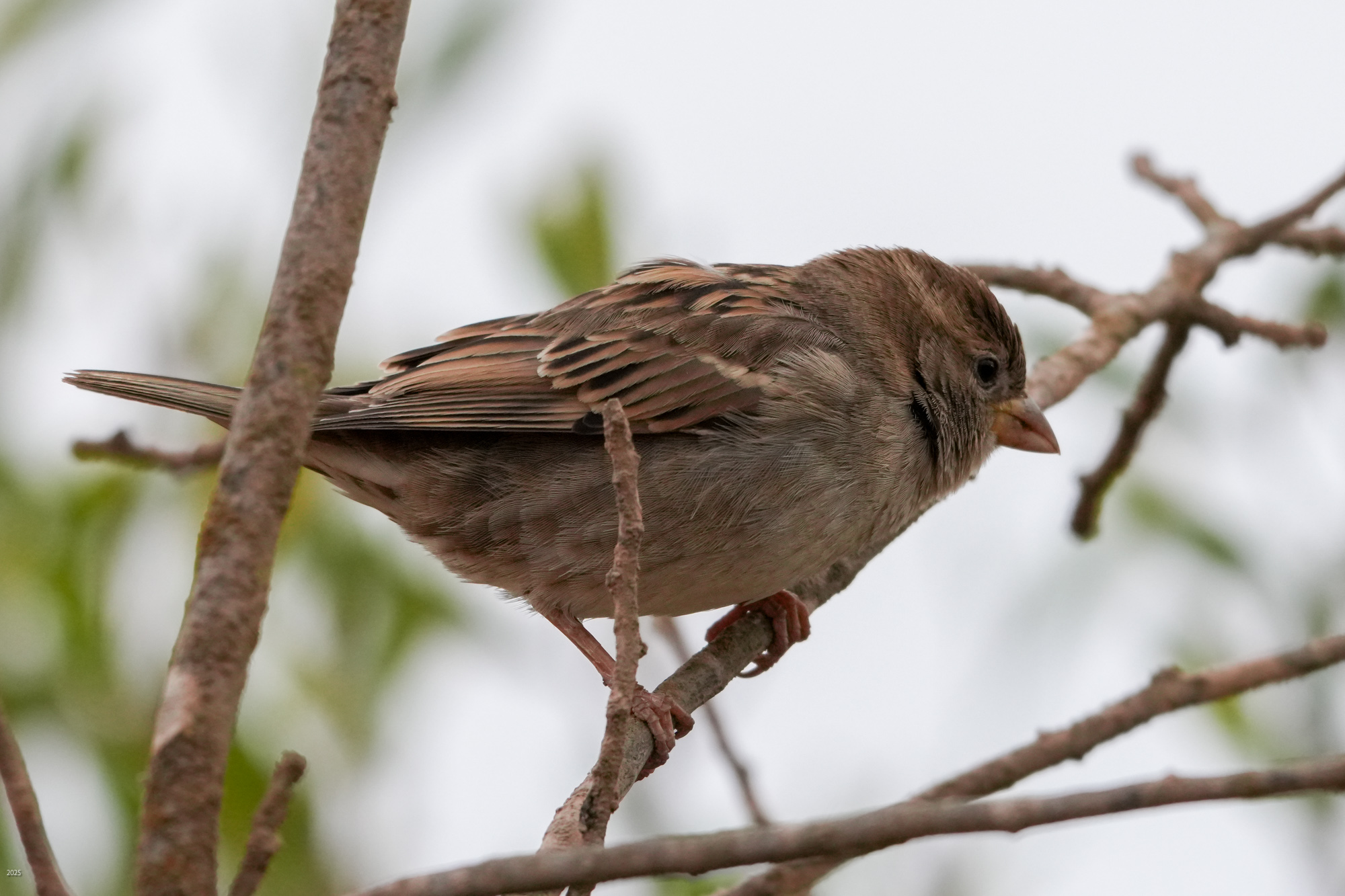
We saw egrets, grey herons, Great flamingos, spoonbills, ducks, grey plovers, black-winged stilts, an osprey, a redstart, sparrows, swallows and bulbuls. The flamingos were mostly white with hints of pink, the degree of pinkness depending on the diet. The pink colour comes from carotene in algae. If the flamingo eats the algae directly, it is more pink. If it eats shrimp which had eaten algae, it is less pink. It may also eat something else that has no carotenoids. See https://en.wikipedia.org/wiki/Flamingo#Feeding

Getting to Sidi R'bat
We left Ooty on Wednesday 22nd October, dropped Tapsi off at ShowSquad boarding near Karamadai and took a flight to Chennai. On Thursday 23rd, we checked into the AI flight to Delhi and Paris. We reached Paris at 7:45 pm, about 30 minutes late, after an uneventful flight. We took an “airport taxi” to Orly Superior Hotel just outside Orly airport. The driver used some app which showed a “meter fare” of €175. I suspect this is an over charge for the 1 hour ride.
On Friday 24th morning, we went to the airport at 8:30 for our 11:30 am Tramsavia flight to Agadir, Morocco. All went well until it was time to board. The agent at the gate looked askance at our Moroccan visas. He was not happy that a section for “Additional visas” was blank, said that this was not valid. We told him that the visas were issued by the Moroccan Embassy in India following their rules for Indians, but he was sceptical. After phone calls to his managers over 30 minutes, he refused to allow us on board and had our luggage off-loaded from the plane. We then spent an hour arguing with managers at the checkin area but they refused to book us on an alternate flight or give a refund.
Finally, we booked a ticket on the next flight, by Royal Air Morocco the next morning. On Saturday, Royal Air Morocco checked us in, and we boarded without any fuss. The flight was uneventful, though our window seat lacked a window, a feature of some Boeing 737 Max-8's. Again, at immigration in Agadir our visas were accepted.
The moral: avoid Transavia like the plague, a budget airline that focusses on extracting the maximum money from customers with minimum service.
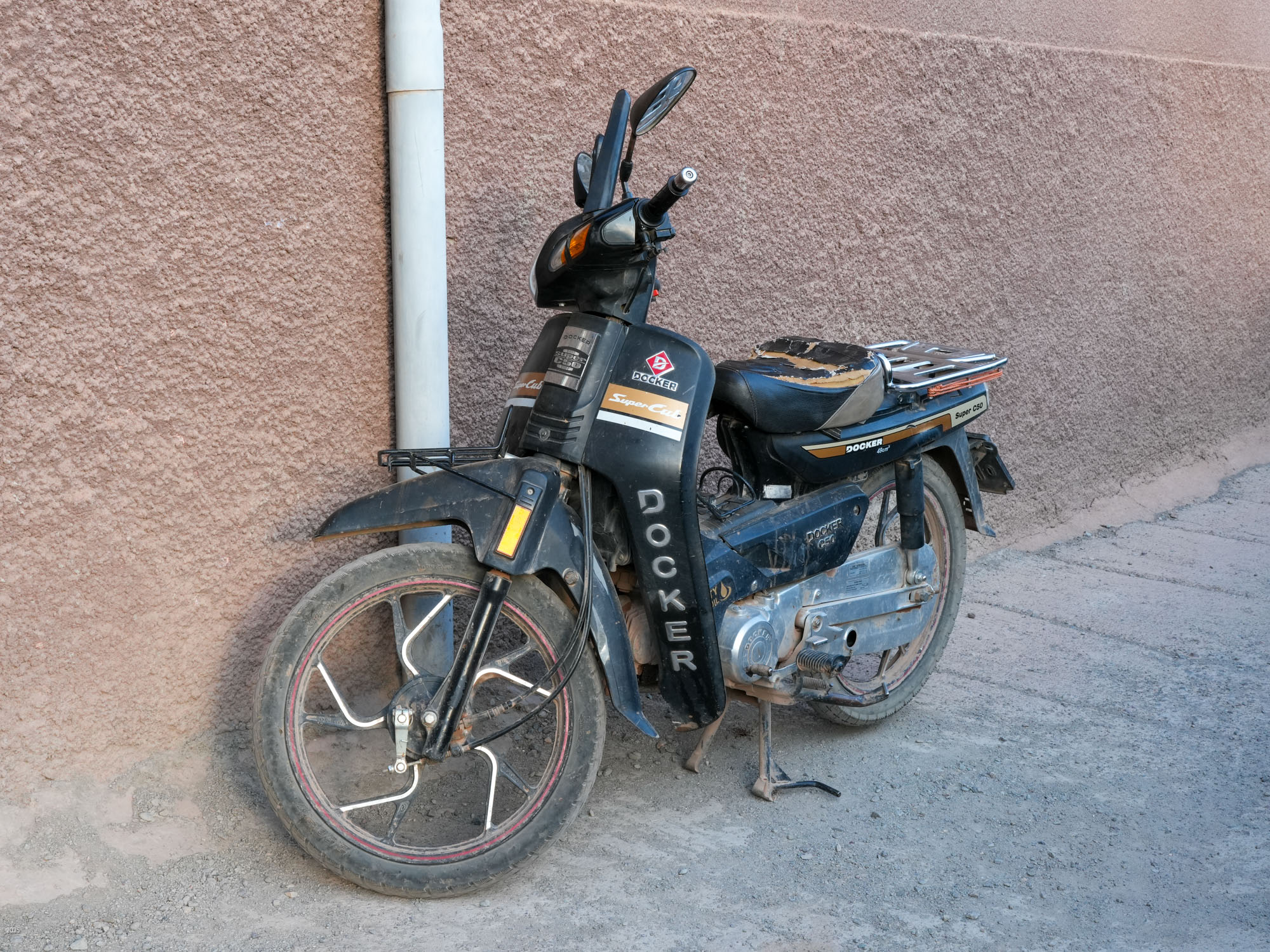
We set off from Agadir airport at 4:45 pm in a pre-booked taxi. With a stop for tea, we reached the Ecotours Massa homestay in Sidi R'bat about 6 pm. The country en route was arid with a few eucalyptus trees, some argan groves, and some covered fields (vegetables, perhaps). Traffic was light and fairly disciplined. Our driver actually drove below the speed limit, something almost unheard of in India. At the frequent roundabouts, vehicles in the roundabout get priority. The trucks are mostly European tractor-trailer rigs. Vehicles are a mix of European and many Dacia manufactured in Morocco. Dacia is a Romanian brand that is now owned by Renault. Motor bikes are less common than in India, they are more used in less affluent rural areas. Drivers rarely wear helmets and ride at breakneck speeds. A few Docker 3-wheelers are used for goods transport in rural areas. Docker is a local make, probably based on a Chinese design and parts.
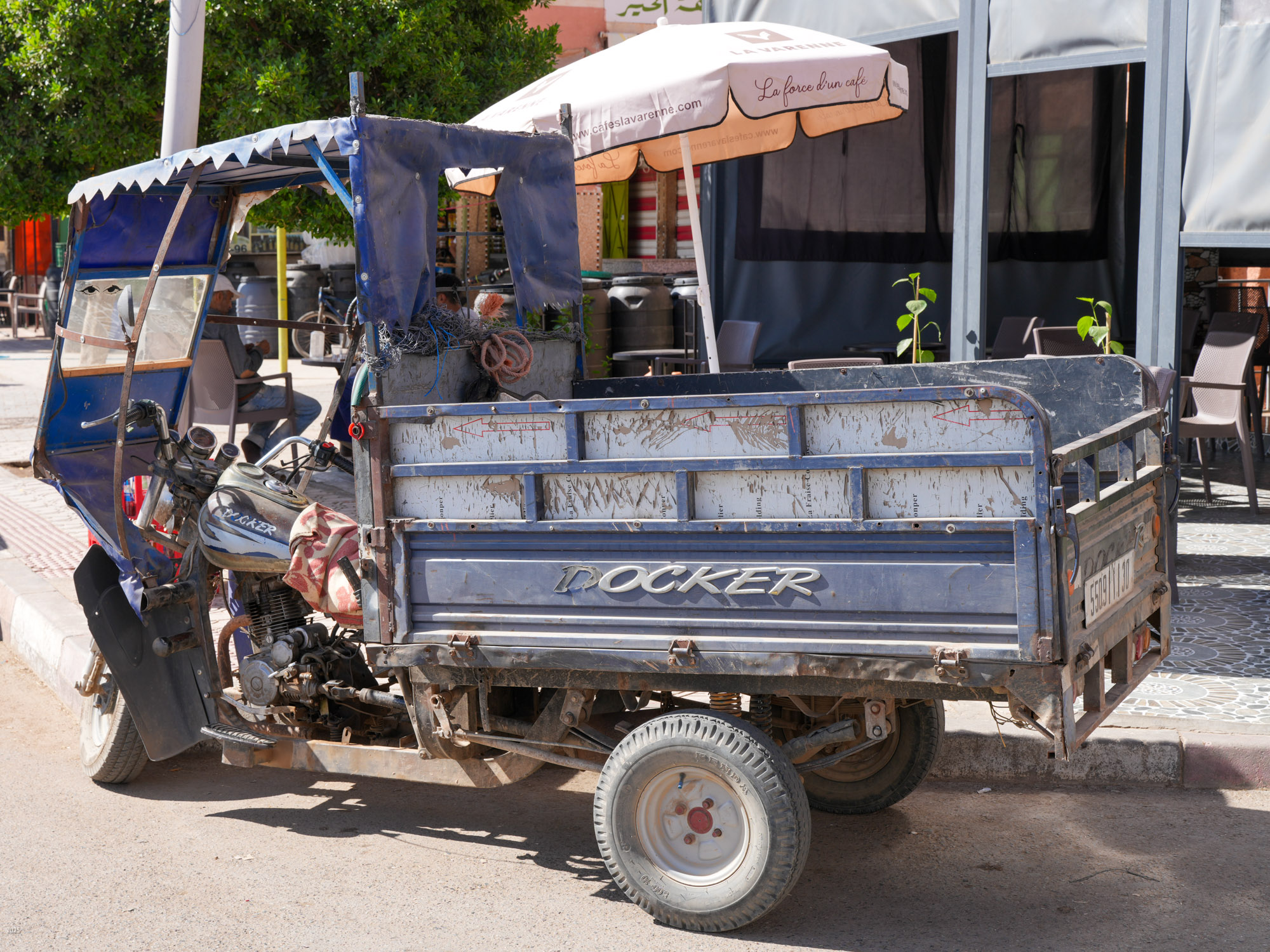
At the Agadir airport, we changed US$ for Moroccan dirhams inside the customs area. This was a mistake: exchange bureaus after exiting customs offer a better exchange rate. In the villages we visited, there were no ATMs and most shops and cafes dealt with cash. In towns and cities, ATMs and exchange bureaus are common. The pre-booked taxi took payment in a mix of US$ and dirhams.
Closing
Our visit to Sidi R'bat was less than 1½ days, thanks to Transavia. Too short to see more attractions of the Souss Massa Park which extends for 70 km from Agadir along the Atlantic coast to Sidi R'bat and further south to Aghlou. We learnt that gazelles and other animals, and the iconic bald egrets are found only in distant parts of the park, requiring a car. Something to look forward to on a future visit!
The images in this essay were taken by Timothy A Gonsalves. Click on any image to view a larger version. Right-click to save the image. If you want high-resolution images for printing, send a request by email. Some of my images from this trip are available for free download at Wikimedia Commons.
Typeset using OpenOffice
Converted to responsive HTML using blog_parser by M. Praveen Kumar and N. Jayaprakash